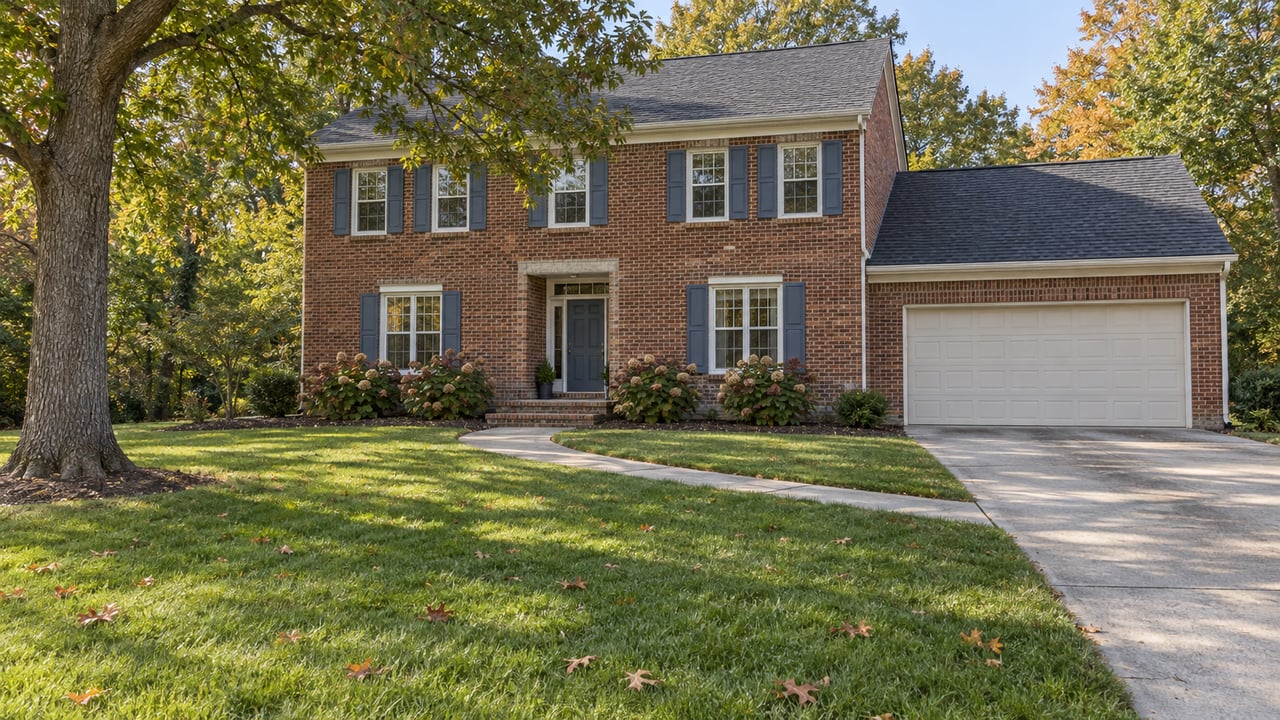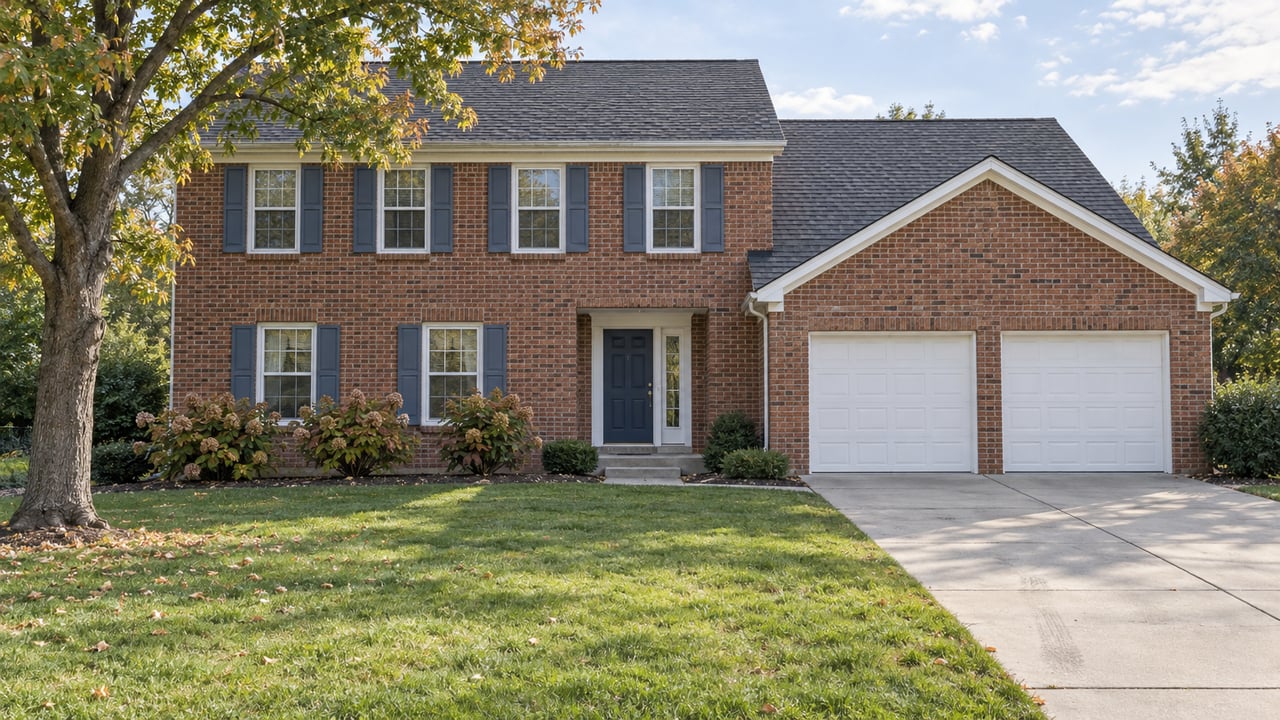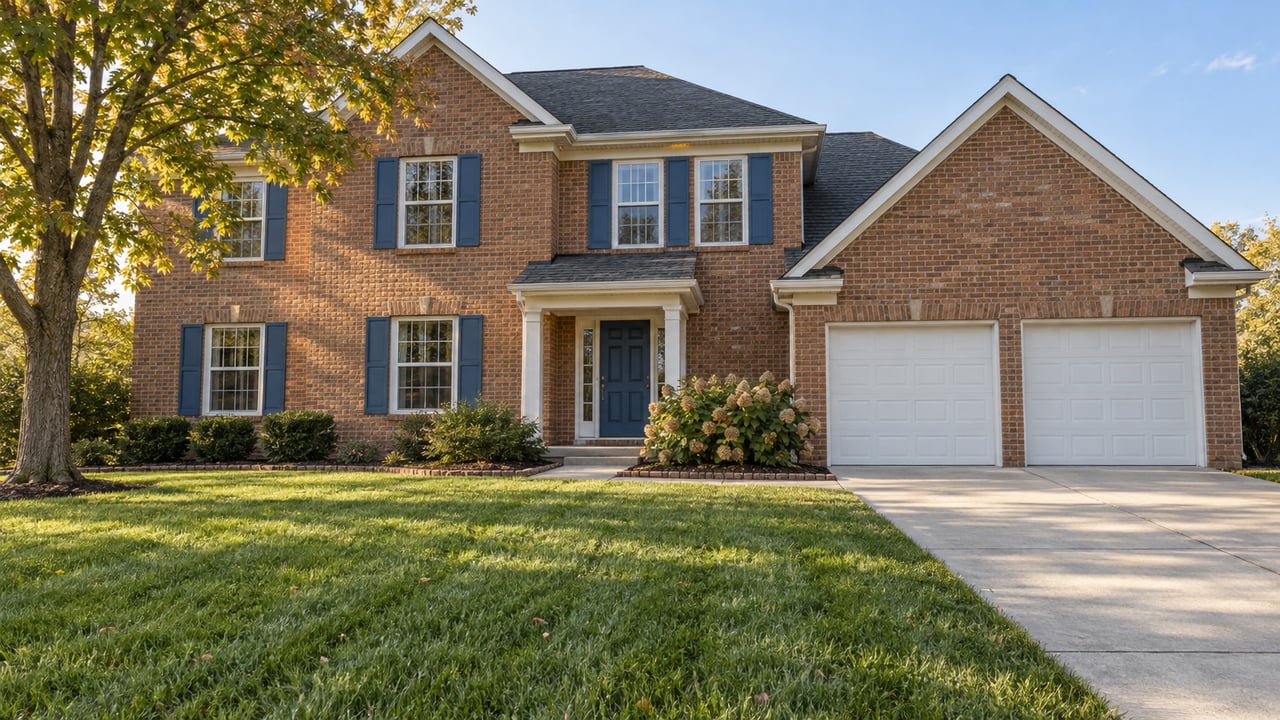
In February, Simon Property Group told the world that the Mall at Green Hills was getting a complete transformation: two-story flagship entrances, jewel-box spaces for luxury boutiques, lush landscaping. Six months later, if you drove to the mall this week, you would not see a single piece of that. No demolition. No new entrance. No construction fencing. What you would see is the same thing Green Hills shoppers have been dealing with for years: a full parking lot on a Saturday afternoon.
The redevelopment plan has been announced, while shoppers continue to navigate the mall's parking.
The Redevelopment Plan and Parking
Simon completed its full buyout of the mall from Taubman Realty Group in November 2025, and by February the company was ready to talk about what came next. The plan covers Green Hills alongside Cherry Creek Shopping Center in Denver and International Plaza in Tampa, and the language Simon used was the same across all three: sharpened differentiation, elevated design, environments where the world's most sought-after brands can thrive. Construction was expected to begin sometime in 2026, with tenant announcements to follow.
That's still where things stand. A WSMV follow-up in June found shoppers waiting on the same open question: what is actually changing, and when. Mall officials haven't offered a construction start date or a completion timeline. The WSMV report also described shoppers' concerns about parking. "It's a nightmare," one shopper told WSMV. "It's really bad." Another said she plans her shopping trips around it entirely, skipping Green Hills on weekends because finding a space isn't worth the hassle.
General manager Norah Buikstra, who has run the property for 25 years, noted that roughly 70 percent of the mall's spaces sit inside its parking decks, yet many visitors still circle the surface lots first out of habit. The plan describes entrances and finishes, while the reported shopper concerns focus on parking.
What's Already Different, In Storefronts If Not Structure
None of this means nothing has moved. While the big renovation sits in planning, the mall's tenant roster has kept shifting the way it always has, one storefront at a time, over the past year or so. Christian Louboutin opened its doors here. So did Rothy's, the sustainable footwear brand, tucked between Swatch and TAG Heuer. Diptyque brought its French fragrance house to the second level, and Pandora relocated to a spot between Altar'd State and Madewell. Aroma360 arrived with its custom home fragrance line near Sunglass Hut.
These additions sit alongside anchors that haven't changed in years: Tennessee's only Nordstrom, a state-of-the-art Dillard's, and the RH Nashville Gallery, a 70,000-square-foot design showroom that blurs the line between furniture store and event space. Green Hills has also seen incremental change, storefront by storefront, alongside plans for the building itself.
If you want to know when the $250 million project has actually started, the signal to watch isn't a press release. It's fencing around an entrance, or a tenant list attached to a specific construction phase. Until then, the mall you're driving past is functionally the same mall it was in January, just with a few new names on the directory.
Restaurants Around Green Hills
Green Hills has a range of dining options, from neighborhood favorites to restaurants inside the mall. Chef Deb Paquette runs etc., the smaller sibling to her original restaurant Etch, here in Green Hills, folding her own spice and produce instincts into a shorter, more adventurous menu. A few doors down the character shifts entirely at Santo, a modern Mediterranean spot known as much for its staff as its plates. Char remains the answer for a milestone dinner, the kind of place where regulars know their server by name. Harth has become the fallback that turns out better than the original plan half the time.
Inside the mall itself, the RH Courtyard Restaurant serves brunch and dinner under a glass-and-steel atrium ringed with olive trees, an odd but genuine option if you're picking up a fitting and want to eat somewhere quiet. Emmy Squared Pizza brought its Detroit-style pies and a full bar. North Italia handles the reliable Italian craving. And Green Hills Grille, unpretentious by design, remains the local hangout it's always been, the anti-luxury answer to a neighborhood that gets typecast as nothing but boutiques and brunch.
These restaurants are already full most nights and continue operating independently of the mall's redevelopment plans.
A Sidewalk Project Near Green Hills Park
A separate infrastructure project is also moving forward in Green Hills: a sidewalk.
Friends of Green Hills Park, the neighborhood's own advocacy group, recently flagged a "missing link" sidewalk near the park, one that will extend the existing walk at Lone Oak and Overhill so it finally connects Green Hills Park to Hillsboro High School. Councilman Pulley is the one who announced it. It's a modest project by any measure, a few hundred feet of concrete closing a gap that's probably existed since the streets were laid out. But it's a gap that generations of families walking or biking to the high school have had to work around, and it's moving.
Nashville's broader sidewalk program, Choose How You Move, is adding 86 miles of new and upgraded sidewalks across Davidson County to close exactly these kinds of gaps. Green Hills isn't the headline of that program. It's one small, specific fix inside it. But for a parent walking a kid to Hillsboro High, or a resident who takes the loop around the park most evenings, that stretch of sidewalk matters more day to day than whatever eventually happens to the mall's front entrance.
What This Actually Adds Up To
The mall's $250 million project spans three states, and commercial redevelopment can take time. Meanwhile, Green Hills continues to see retailer changes, active restaurants, and progress on a sidewalk project. These neighborhood changes are separate from the mall renovation.
Keep an eye on the small, dated things: a permit filing, a fence going up around an entrance, a specific tenant tied to a specific phase. Until then, the parking lot is still the parking lot, and the etc. reservation is still worth making on a Tuesday.
If you're weighing a move to Green Hills, or already live here and are curious what any of this means for your home's value, the team at CHORD Real Estate tracks this neighborhood block by block, not headline by headline. Request your personal Real Estate Concierge and get a neighborhood-focused read on Green Hills.