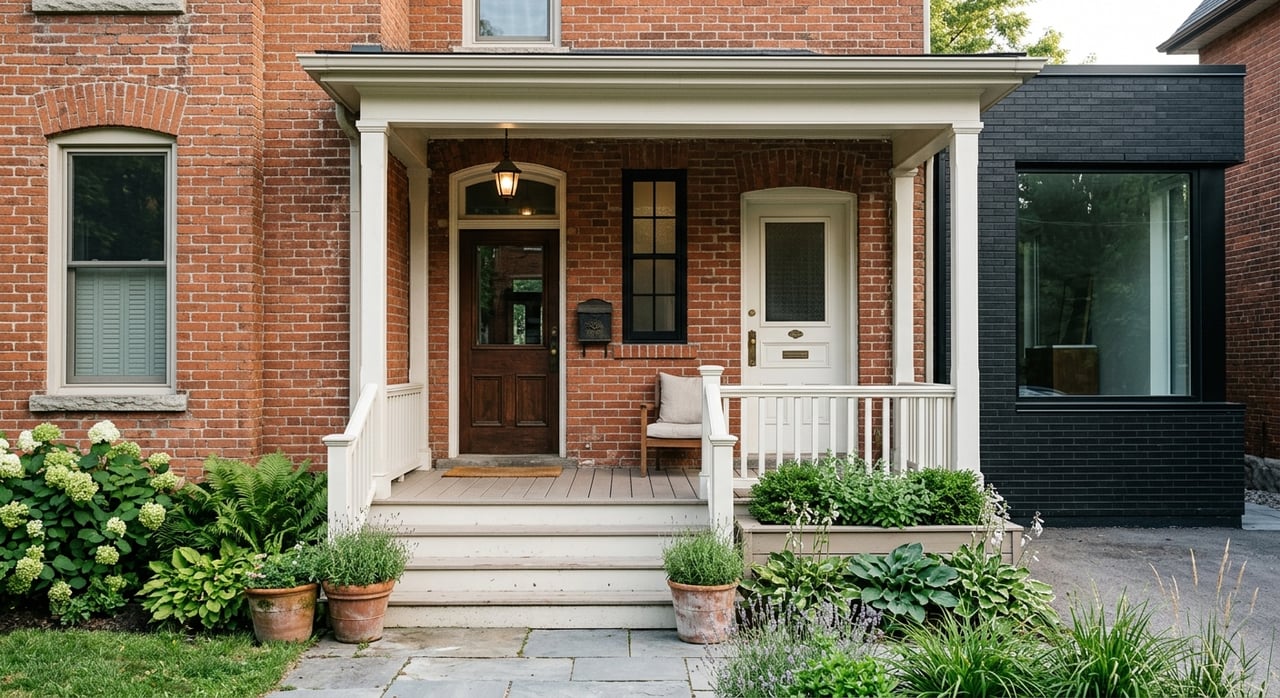
Thinking about buying in East Nashville because you love the character, walkable blocks, and historic homes? Before you fall in love with a front porch or start planning a big renovation, there is one detail you need to check early: whether the property sits inside a local historic overlay. That single parcel-level fact can shape what you can change, how long approvals may take, and how you budget future improvements. Let’s dive in.
What East Nashville historic overlays mean
In Nashville, a historic overlay is a design-review layer that sits on top of the property’s base zoning. It is meant to protect historic character while leaving the underlying zoning in place. In simple terms, the overlay usually does not change whether a home can be used as a house, but it can affect how you alter the exterior, add on, rebuild, or demolish.
That distinction matters for buyers. You may have the same basic residential use rights, but your flexibility for future projects can look very different from a nearby home outside the overlay or in a different overlay district.
Why the exact parcel matters
East Nashville is not covered by one single historic rulebook. Metro Nashville identifies multiple local overlay districts in the area, including Eastdale, Eastwood, Inglewood Place, and Lockland Springs-East End as neighborhood conservation zoning overlays, while Edgefield has its own historic preservation overlay guidelines.
That means two homes on nearby streets, or even close to a district boundary, may be subject to different review standards. Buyers should not assume that what worked for one renovation nearby will automatically work for the house they are considering.
Nashville also makes an important distinction between local overlay status and National Register listing. The city states that National Register designation is honorary and does not change property rights. So if a listing mentions historic status, you still need to verify whether the property is actually inside a local historic overlay.
How overlays are created
Local historic overlays in Nashville are created through a public rezoning process. According to Metro materials, these overlays are typically driven by owners, neighborhoods, and Metro Council action.
For you as a buyer, the key takeaway is practical: do not treat overlay status as a vague neighborhood label. Treat it as a property-specific legal condition that should be verified before you make renovation assumptions or write an offer based on a value-add plan.
What work may require review
The scope of review depends on the type of overlay. In a historic preservation district, the Metro Historic Zoning Commission reviews the majority of exterior alterations. In a neighborhood conservation zoning overlay, the review is narrower and generally focuses on new construction, additions, demolition, and relocation of structures.
This is where many buyers get caught off guard. Cosmetic interior updates are one thing, but projects that change the exterior form or site layout may involve a formal review process.
Projects that often raise review issues
If you are buying with future improvements in mind, pay close attention to projects like these:
- Large additions
- New infill construction
- Demolition of a primary historic building
- Relocation of a structure
- Setback changes
- Exterior alterations, depending on the overlay type
Nashville’s current permit materials note that infill, large additions, demolition of primary historic buildings, and setback determinations are likely to be scheduled for commission review. If your investment thesis depends on expanding the footprint or materially changing the house shape, that should be part of your decision-making from day one.
Demolition is not a routine path
For buyers considering a teardown, historic overlays can significantly change the process. Nashville states that demolition of a historic building can require an economic hardship package with extensive documentation.
That documentation may include repair costs, engineering findings, value estimates, rehabilitation estimates, financing history, and evidence that other options were explored. In other words, teardown plans in these areas are often much more involved than applying for a standard demolition permit.
Preservation permits come before building permits
Another key detail is timing. The city requires a preservation permit before a building permit is issued, and the drawings sent to Metro Codes must match the approved preservation permit plans.
Work completed without a preservation permit, or work that does not match the approved permit, is considered a zoning violation. For buyers, that means permit strategy is not a back-end detail. It is part of responsible due diligence and project budgeting.
What may not be reviewed
Not every project falls under review. Nashville’s handbook says work not visible from the public right-of-way, certain temporary structures, and some temporary site items are generally not reviewed.
Still, “generally” is the word to focus on. Before you assume a project is exempt, it is smart to confirm with the appropriate Metro staff because exceptions and district-specific rules can matter.
Renovation flexibility is still possible
Historic overlays do not automatically block renovation. In many cases, they shape how you approach the work rather than whether you can do it at all.
Nashville encourages pre-application review for larger or unusual projects, especially infill and additions over 1,500 square feet. Projects that already meet the applicable guidelines may move through more quickly, while larger or more complex proposals are more likely to go before the commission.
For buyers, this often shifts the core question from “Can I renovate?” to “Can I design and document this renovation in a way that fits the guidelines?” That is a very different mindset, and it can save you time and money.
What larger projects usually need
The city’s submittal checklist for new construction and additions is detailed. Depending on the project, applicants may need:
- Site plans
- Elevations
- Floor plans
- Site-improvement plans
- Photographs
- Product literature
- Visibility renderings or mockups for rooftop additions
That level of documentation is not necessarily a deal breaker, but it does mean your design team and permit planning matter. If you are buying with a renovation plan already in mind, those conversations should happen early.
What about an ADU or backyard cottage?
Detached accessory dwelling units may be allowed in certain zones within some historic overlays, but they are not automatic. Nashville says eligibility depends on the zoning category, a recorded restrictive covenant, and compliance with both overlay-specific and ADU-specific standards.
If you are hoping to add a garage apartment or backyard cottage in East Nashville, the path may exist, but you should not assume every eligible-looking lot can support that plan. Verify the zoning, the overlay, and the applicable standards before you underwrite the property around future ADU income or guest use.
Preservation review is not the expensive part
There is one budgeting note that may come as a pleasant surprise. Nashville states that the preservation permit itself has no fee, although related Metro Codes permits may still carry standard fees.
That does not reduce construction costs, consultant costs, or the time needed for design and review. But it does mean the historic review step alone is not typically the fee-heavy barrier some buyers expect.
Historic overlays and long-term value
Many buyers ask whether local historic overlays help property values. Nashville’s 2019 Economic Impact Study on Historic Preservation found that property values in historic preservation and neighborhood conservation overlay districts outperformed the rest of the city over the prior fifteen years.
That is a meaningful local data point, especially for buyers who care about long-term positioning. At the same time, preservation is not a universal guarantee of appreciation. Value always depends on the specific property, location, condition, and market timing.
A balanced view is the best one: historic overlays can support neighborhood stability and long-term appeal, but they should be weighed alongside your renovation goals, timeline, and tolerance for design review.
Incentives exist, but they are limited
Some buyers assume historic overlay ownership automatically unlocks tax breaks. In Nashville, the available incentives are more limited and project-specific.
The city states that the Historic Property Tax Exemption applies only to certain endangered historic properties that are not zoned R or RS. Nashville also notes that the federal historic tax credit applies to certified historic structures in qualifying rehabilitation projects. For most buyers, these are best viewed as specialized tools, not automatic ownership benefits.
A smart due diligence checklist
If you are considering a home in East Nashville with any future exterior work in mind, a little early diligence can go a long way. Focus on these steps before closing:
- Verify the exact parcel’s overlay status
- Confirm whether the property is in a historic preservation or neighborhood conservation overlay
- Read the applicable district guidelines for that specific overlay
- Review whether your plans involve additions, demolition, infill, or setback changes
- Ask about preservation permit timing before finalizing renovation assumptions
- Consult a designer or permit professional if your plan depends on major exterior changes or a potential teardown
This is especially important when the deal only works if you can add square footage, reconfigure the exterior, build an ADU, or replace the structure.
What buyers should remember most
The biggest mistake you can make in East Nashville is treating “historic” as a style note instead of a land-use and design-review reality. Local overlays usually preserve residential use rights, but they can materially affect what you can change after closing.
The good news is that these properties can still offer strong long-term appeal, renovation potential, and distinctive character. You just want your purchase strategy to match the actual overlay rules on the exact parcel, not assumptions based on the block, the listing language, or a neighbor’s project.
If you are evaluating a home in East Nashville and want a clear, concierge-level read on the property, the district, and how your plans fit the bigger picture, connect with CHORD Real Estate.
FAQs
What is a historic overlay in East Nashville?
- A historic overlay in East Nashville is a design-review layer placed over base zoning that helps protect historic character while leaving the underlying zoning in place.
Does a historic overlay change residential use in Nashville?
- Usually, no. Nashville states that historic overlays are layered on top of base zoning, so the bigger issue for buyers is often design flexibility for exterior changes, additions, demolition, or new construction.
Are all East Nashville historic districts reviewed the same way?
- No. East Nashville includes multiple overlay districts, and the review standards depend on the specific district and whether it is a historic preservation overlay or a neighborhood conservation zoning overlay.
Can you tear down a house in an East Nashville historic overlay?
- Sometimes, but demolition of a primary historic building is likely to go before the commission and may require a detailed economic hardship review.
Do exterior renovations need approval in a Nashville historic overlay?
- They often can. In historic preservation districts, most exterior alterations are reviewed, while in neighborhood conservation overlays, review is generally narrower and often centers on additions, demolition, new construction, and relocation.
Can you build an ADU in an East Nashville historic overlay?
- Possibly. Nashville allows detached accessory dwelling units in certain eligible zones within some overlays, but the project must also meet overlay-specific standards and other city requirements.
Is there a fee for a Nashville preservation permit?
- Nashville states that the preservation permit itself has no fee, although related Metro Codes permits may still involve standard fees.
How should buyers research a historic-overlay property in East Nashville?
- Buyers should verify the exact parcel’s overlay status, review the applicable district guidelines, and consult the right design or permit professionals before committing to a renovation-dependent purchase plan.