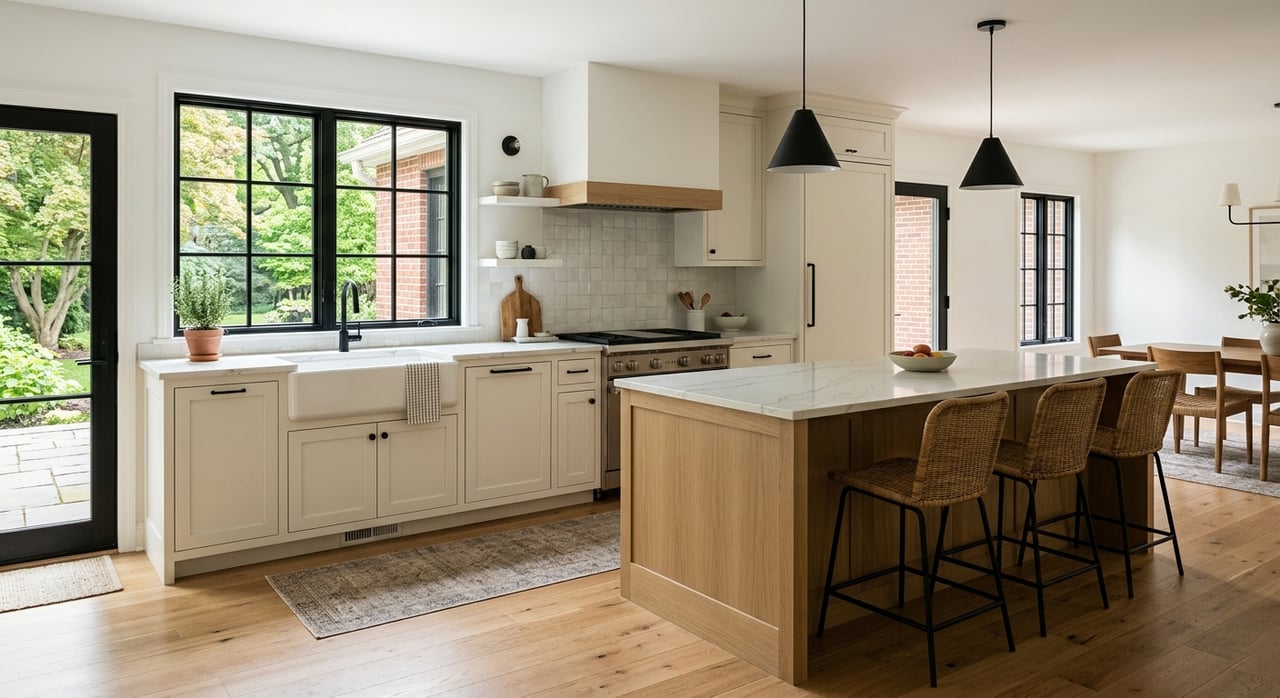
Buying in Green Hills means choosing between two very different paths: a mid-century established home with character and mature landscaping, or new construction built to today's standards but constrained by parcel-specific zoning. Green Hills prices range widely by pocket, from just over a million dollars to well above three million, so the right answer depends as much on location and lot as it does on personal taste. This guide breaks down what each path actually costs, what buyers need to check before committing to either one, and how Green Hills compares to nearby Forest Hills and Oak Hill for buyers weighing all three.
Quick Snapshot: Established vs. New Build at a Glance
Factor | Established Home | New Build / Rebuild |
|---|---|---|
Typical price range | Roughly $1.1M–$2.5M depending on pocket and condition | Often $2M–$3.25M+ once land and construction are factored in |
Systems and maintenance | Original roofs and mechanical systems often need updating first | New systems under warranty, lower near-term maintenance |
Zoning / overlay flexibility | Fewer restrictions on cosmetic updates | Heavily parcel-specific; Urban Design Overlays limit some lots |
Permitting complexity | Low for routine maintenance, moderate for additions | High: site plans required, historic review possible |
Resale outlook | Strong in walkable, established streets | Strong where buyers want turnkey and modern layouts |
Both paths can work well in Green Hills. The deciding factor is usually the parcel itself, not personal preference alone.
What Does the Green Hills Market Look Like Right Now?
Green Hills real estate has held its value well heading into 2026. Recent market data shows a median sale price around $1.25 million, up roughly 13 to 14 percent year-over-year, with price per square foot near $439. About 196 homes sold in a recent month, up about 25 percent from the prior year, and homes are taking around 62 days to sell on average with a sale-to-list ratio near 97 percent.
Only about 8 percent of homes are selling above list price, which puts the market in a "somewhat competitive" range rather than the frenzied conditions of a few years ago. Zillow's typical home value estimate for Green Hills runs meaningfully higher, around $1.85 million, though that figure moved only about 1.6 percent year-over-year. That gap between median sale price and typical value across all homes is a useful reminder on its own.
Main Takeaway: Green Hills is not one price point. A ranch on a quiet interior street and a rebuilt lot near Hillsboro Village can differ by well over a million dollars, so buyers should anchor their search to a specific pocket rather than a neighborhood-wide average. Browsing current Green Hills homes for sale is the fastest way to see that range firsthand.
The Case for Buying an Established Home
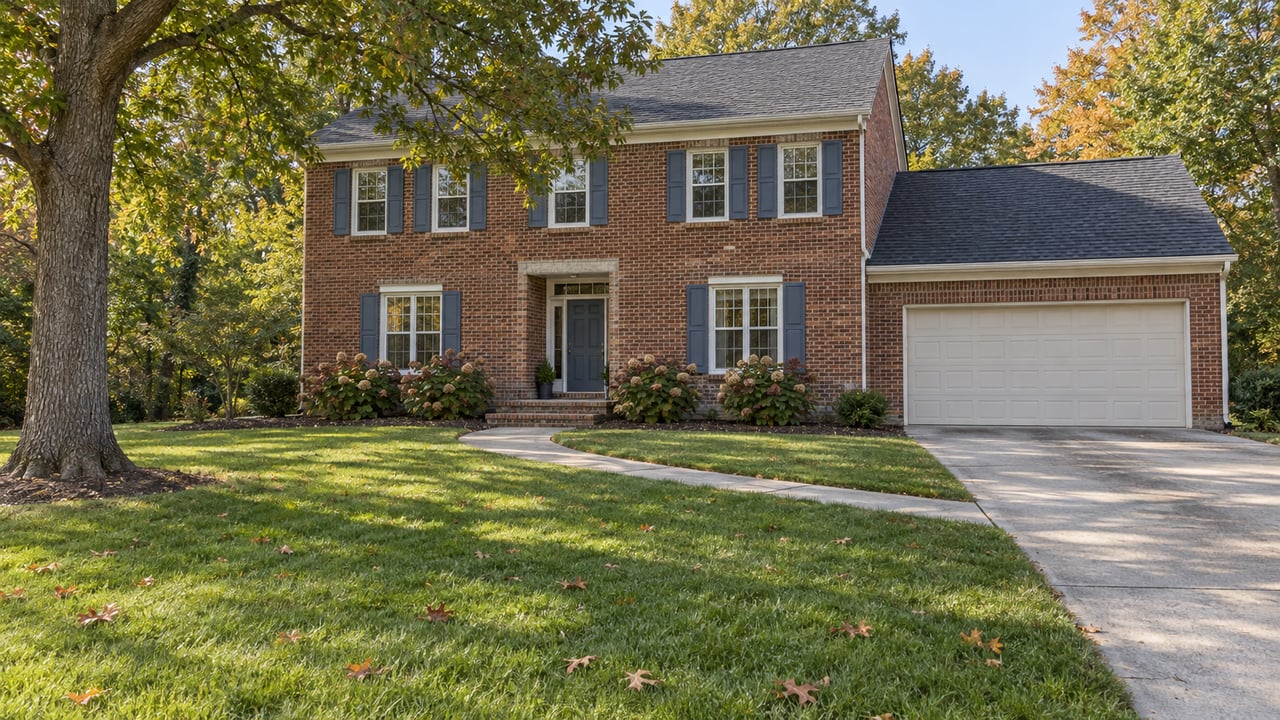
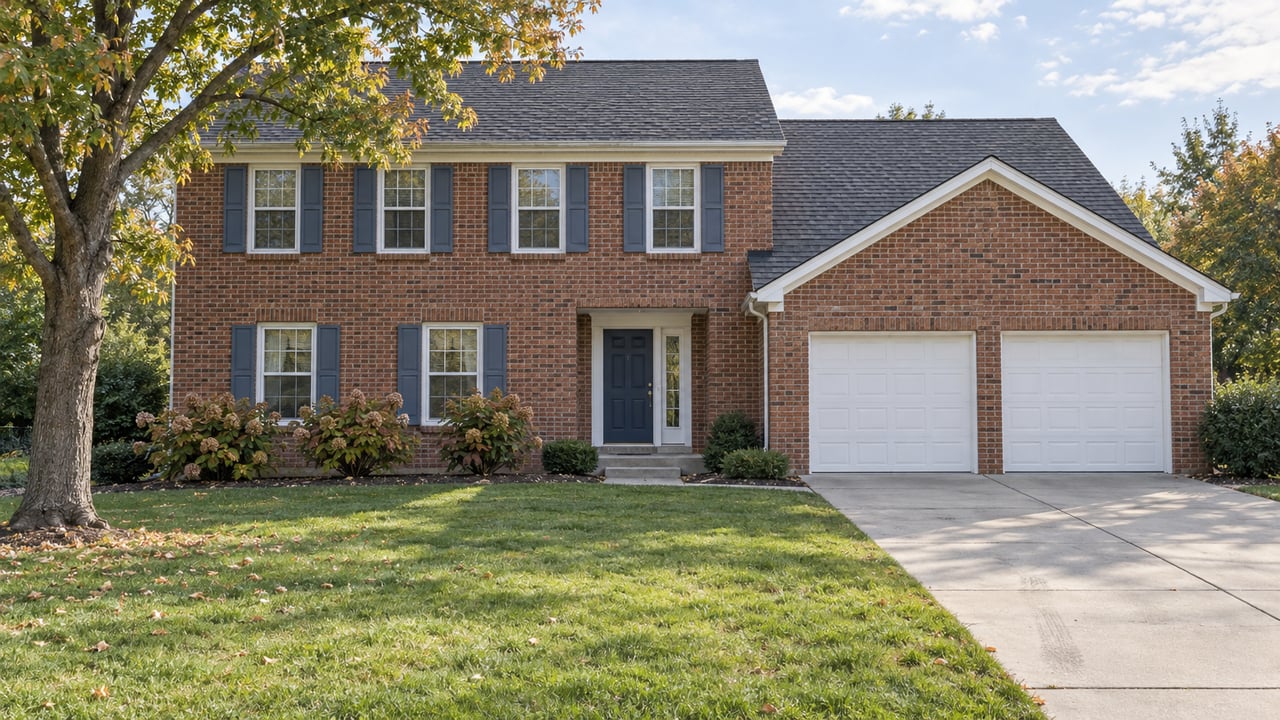
Established Green Hills homes cluster around a handful of recognizable mid-century styles: Ranch, Minimal Traditional, and Split-Level layouts built from the postwar decades onward. These homes usually sit on larger, more mature lots than anything being built new today, with established trees and landscaping that take decades to replicate. For buyers who value character and a settled streetscape over a blank slate, this is the stronger fit.
The tradeoff shows up below the surface. Roofs and original mechanical systems are typically the first things needing attention in older stock, and buyers should budget for inspection findings on roof age, electrical panels, HVAC condition, and plumbing before assuming a move-in-ready price tag. None of this makes an established home a bad buy. It just means the true cost of ownership includes some near-term capital work that a new build sidesteps.
- Larger, more mature lots than new construction typically offers
- Recognizable mid-century architecture (Ranch, Minimal Traditional, Split-Level)
- Lower purchase price relative to comparable new construction on the same street
- Higher likelihood of needing roof, HVAC, electrical, or plumbing updates soon after closing
The Case for Building or Buying New
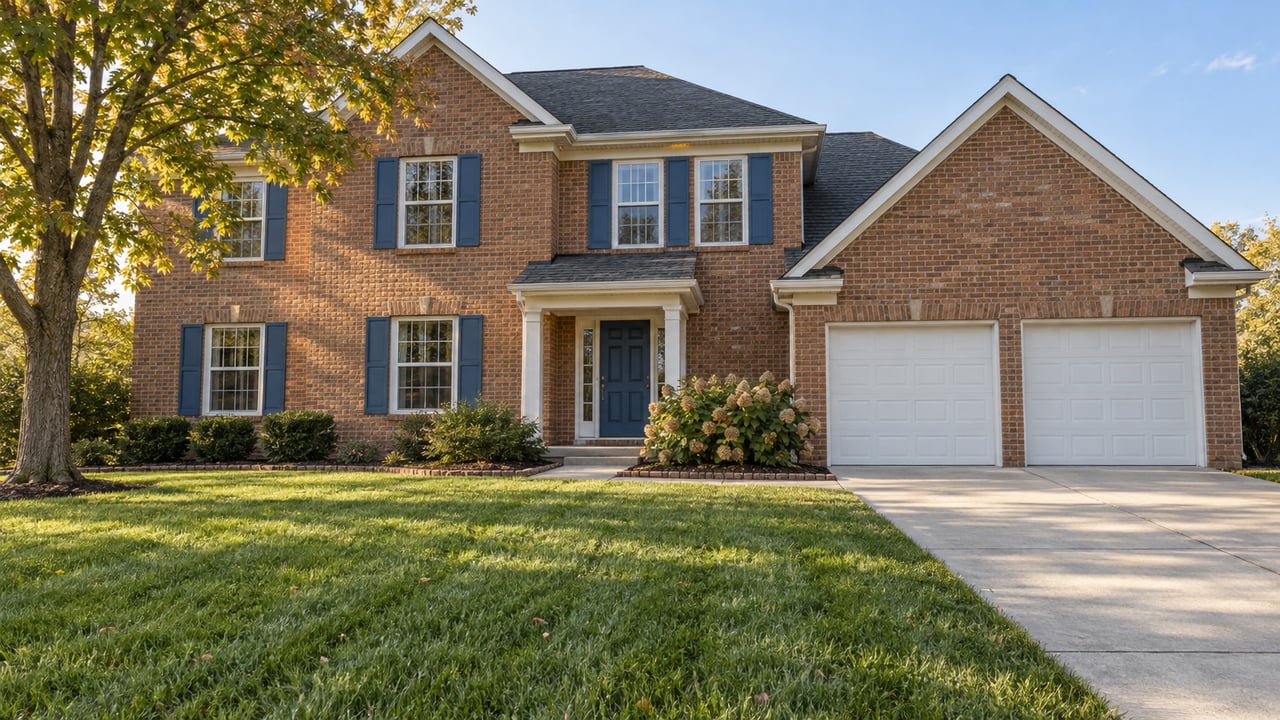
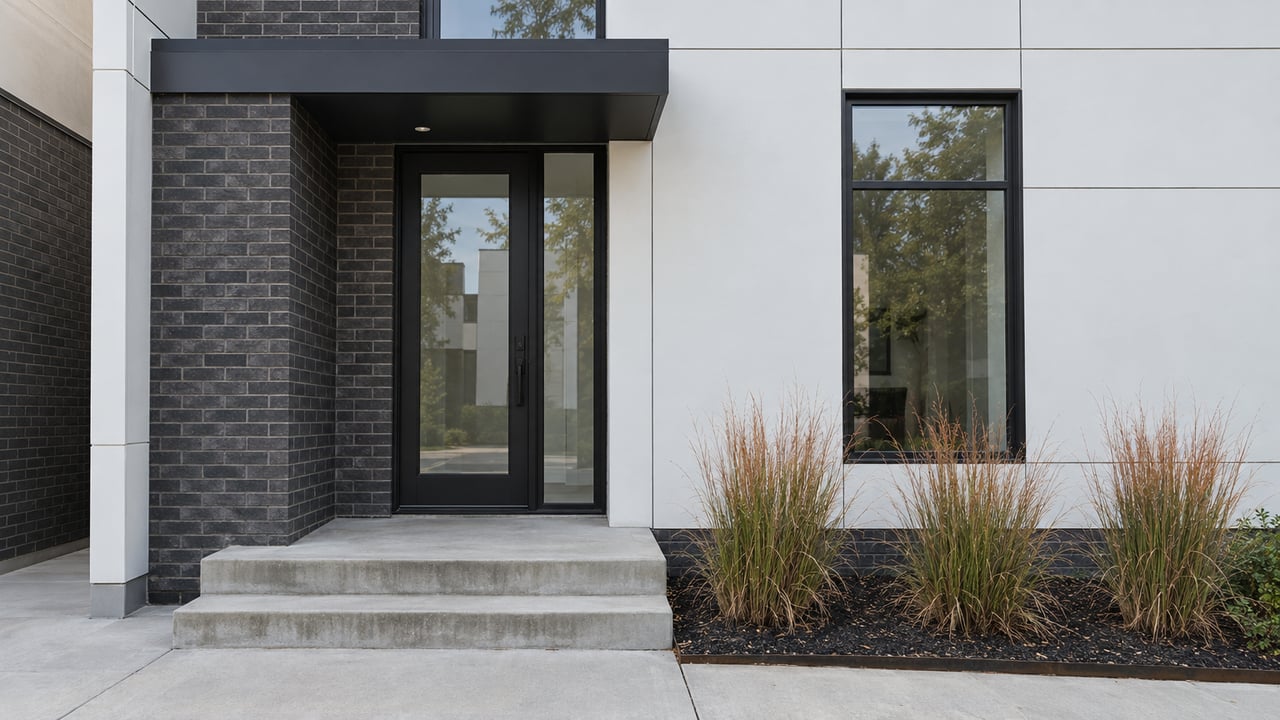
New construction in Green Hills appeals to buyers who want modern floor plans and a layout built around how people actually live today. A new build also removes the guesswork on deferred maintenance since everything from the roof to the water heater starts under warranty. For buyers relocating from out of state or those who simply do not want a renovation project, this is often the more predictable path.
The catch is that new-build and teardown-rebuild potential in Green Hills is heavily parcel-specific. Not every lot that looks buildable actually is, and that single fact trips up more buyers than anything related to price.
Local Tip: Green Hills-Midtown alone carries roughly nine separate Urban Design Overlays, each restricting things like setbacks, height, or lot coverage on specific parcels. Buyers eyeing a property for a teardown or major rebuild should confirm overlay status with Metro before assuming they can build what they have in mind. For a broader look at how Nashville buyers weigh this decision, Buy or Build in Nashville: How Luxury Buyers Are Making the Decision covers the tradeoffs in more depth.
Do Buyers Need a Permit to Renovate or Rebuild?
Yes, for anything beyond routine maintenance. Metro Nashville requires a site plan for new construction or a significant addition, though ordinary upkeep like repainting does not require a permit. Properties inside a historic or conservation district face an additional layer: any exterior change needs design approval from the Metro Historical Commission before work can start. Buyers considering a rebuild should factor this review timeline into their overall project schedule, since it can add weeks or months depending on the district.
Established vs. New Build: Side-by-Side Comparison
Established Home | New Build / Rebuild | |
|---|---|---|
Price | Lower entry price, wide range by pocket | Higher all-in cost once land and construction are combined |
Maintenance | Roofs and mechanical systems often need near-term work | Minimal near-term maintenance, systems under warranty |
Systems | Original or partially updated | New, code-current, energy-efficient |
Zoning / overlay flexibility | Fewer restrictions on interior or cosmetic work | Constrained by parcel-specific Urban Design Overlays |
Resale | Strong on walkable, established streets with mature landscaping | Strong with buyers wanting turnkey, modern layouts |
Neither column is the "right" answer across the board. A buyer's timeline, tolerance for renovation, and target pocket within Green Hills should drive the decision more than a general preference for old or new.
Comparing Green Hills to Forest Hills and Oak Hill
Buyers cross-shopping Green Hills often widen their search to neighboring Forest Hills and Oak Hill, and each offers a different version of the same established-versus-new tradeoff. Forest Hills tends toward larger lots with more privacy and fewer overlay restrictions, while Oak Hill blends established streets with easier access to Radnor Lake and more open land for new construction. Browsing Forest Hills homes for sale or Oak Hill homes for sale alongside Green Hills listings is a useful way to see how price and lot size shift just a few miles in either direction.
Two related posts dig into this comparison directly: Green Hills vs Forest Hills: Choosing Your 37215 Home and Forest Hills, Green Hills, or Oak Hill: Which Fits You. For buyers drawn to Oak Hill specifically for its proximity to green space, Living Near Radnor Lake: Oak Hill's Nature-First Lifestyle covers what that lifestyle actually looks like day to day. Recent investment in the Green Hills neighborhood itself is also worth understanding before buying, and Green Hills Was Promised a $250 Million Transformation. Here's What Actually Changed First walks through what has actually materialized so far.
What Should Buyers Verify Before Making an Offer?
Before writing an offer on either an established home or a rebuild candidate, buyers should confirm a short list of items specific to Green Hills. Skipping this step is where most surprises happen after closing.
- Whether the parcel falls under one of the Green Hills-Midtown Urban Design Overlays
- Whether the property sits in a historic or conservation district requiring Metro Historical Commission approval
- The age and condition of the roof, HVAC system, electrical panel, and plumbing on an established home
- Whether Metro will require a new site plan for any planned addition or rebuild
- How the specific pocket's recent sale prices compare to the neighborhood-wide median
Working through this list with a local agent before submitting an offer can prevent a deal from stalling later over a zoning surprise or a permitting delay.
Which Option Fits Different Kinds of Buyers
Buyers who value mature landscaping and mid-century character tend to gravitate toward established homes, accepting that some system updates will likely be needed within the first few years. Buyers who want predictable maintenance costs and a layout designed around current living patterns tend to prefer new construction, accepting a longer timeline and the need to confirm overlay status up front. Homeowners currently deciding whether to sell an established home rather than update it can start by checking its current market value, which is often the clearest way to weigh a sale against a renovation.
Sellers weighing whether to list an established home as-is or invest in updates first can find a useful starting point on CHORD's Sell Your Home page, which lays out both options in more detail.
Getting Local Guidance Before Deciding
Green Hills rewards buyers who do their homework on the specific parcel, not just the neighborhood name. Zoning overlays and permitting requirements alone can change the calculation on a single street, let alone across the neighborhood as a whole. A conversation with an agent who tracks these pocket-by-pocket differences is usually worth more than another round of online browsing.
For buyers or sellers ready to talk through the established-versus-new-build decision for a specific property, the team at CHORD Real Estate is happy to walk through the options, no pressure either way. Reach out through the contact page or call (615) 988-1001 to start the conversation.
This article is for informational purposes only and does not constitute legal, financial, or tax advice. Market data, pricing, and figures referenced above are estimates based on recent data and are subject to change; they should not be relied upon as a substitute for a current comparative market analysis or professional appraisal. Zoning, overlay, and permitting information is general in nature and should be verified directly with Metro Nashville Planning and the Metro Historical Commission before making any purchase, renovation, or construction decision. Consult a licensed real estate professional, attorney, or financial advisor for guidance specific to your situation.