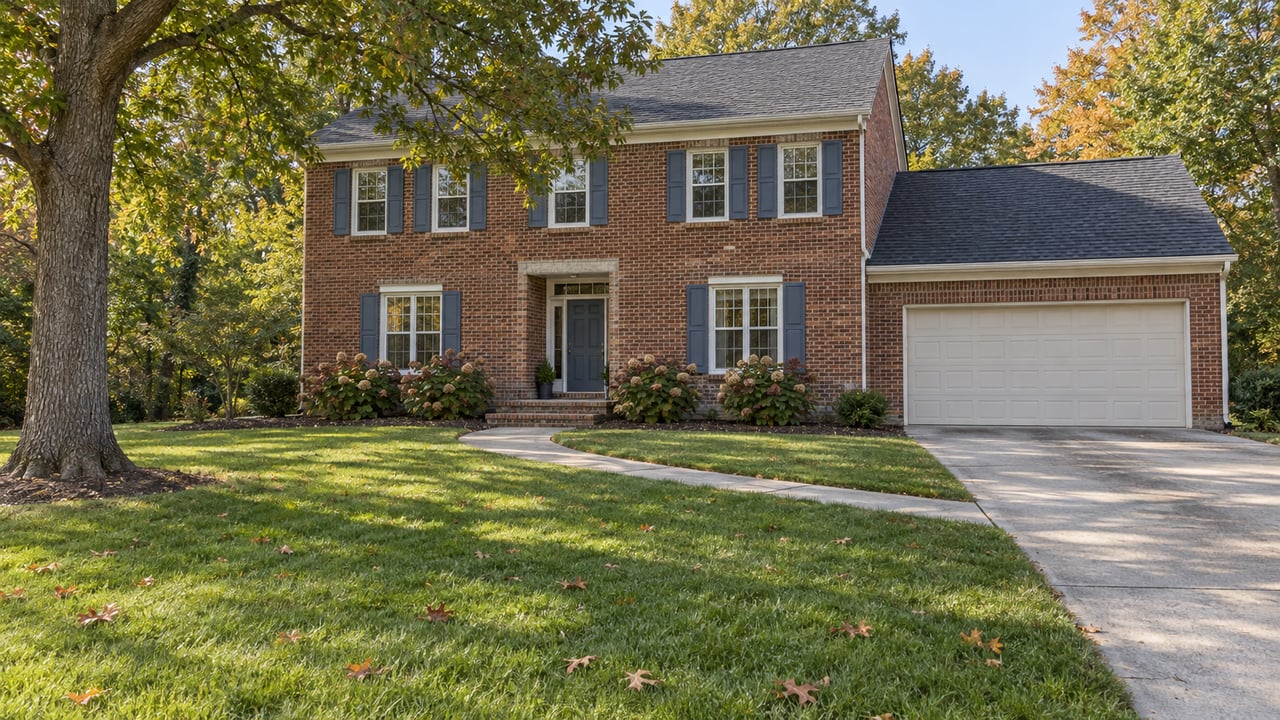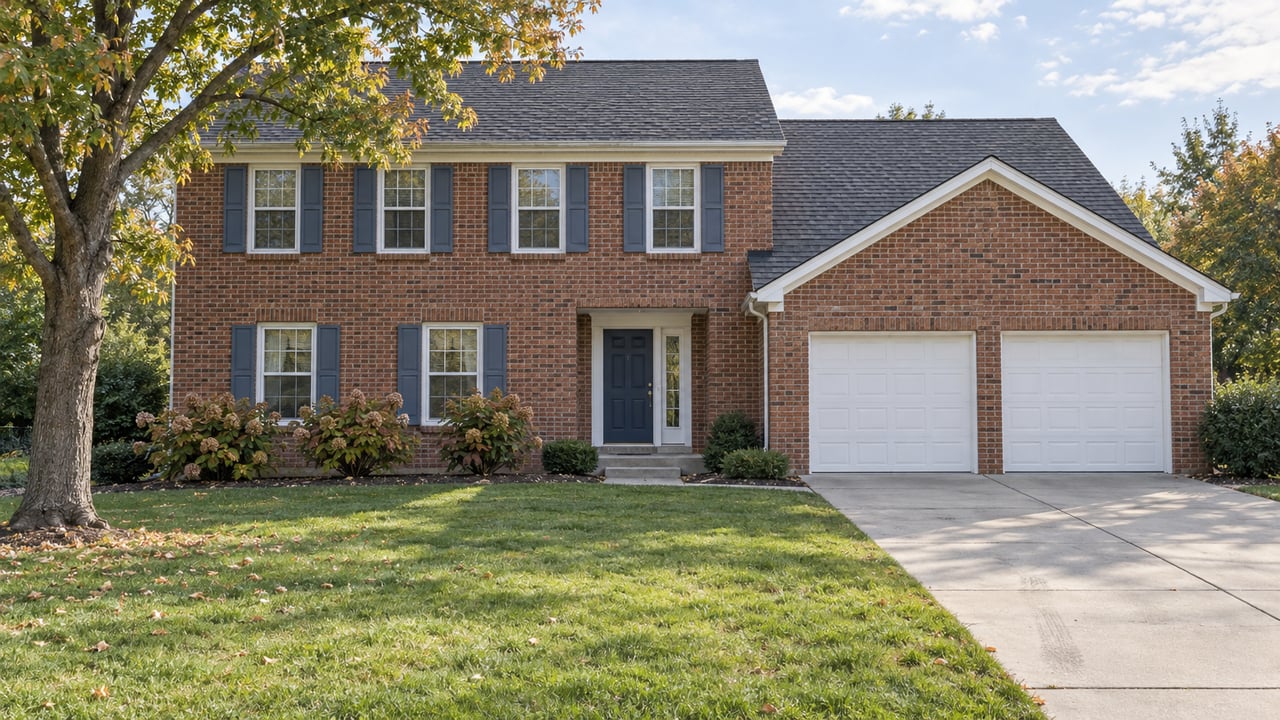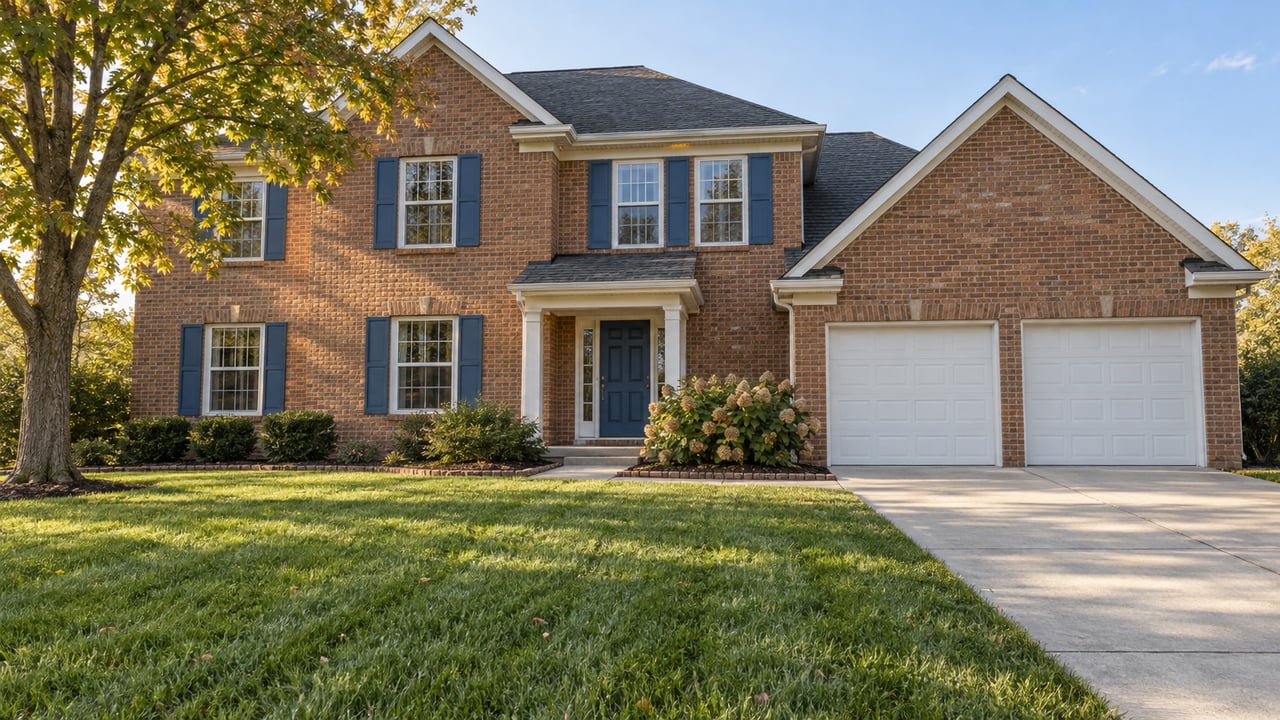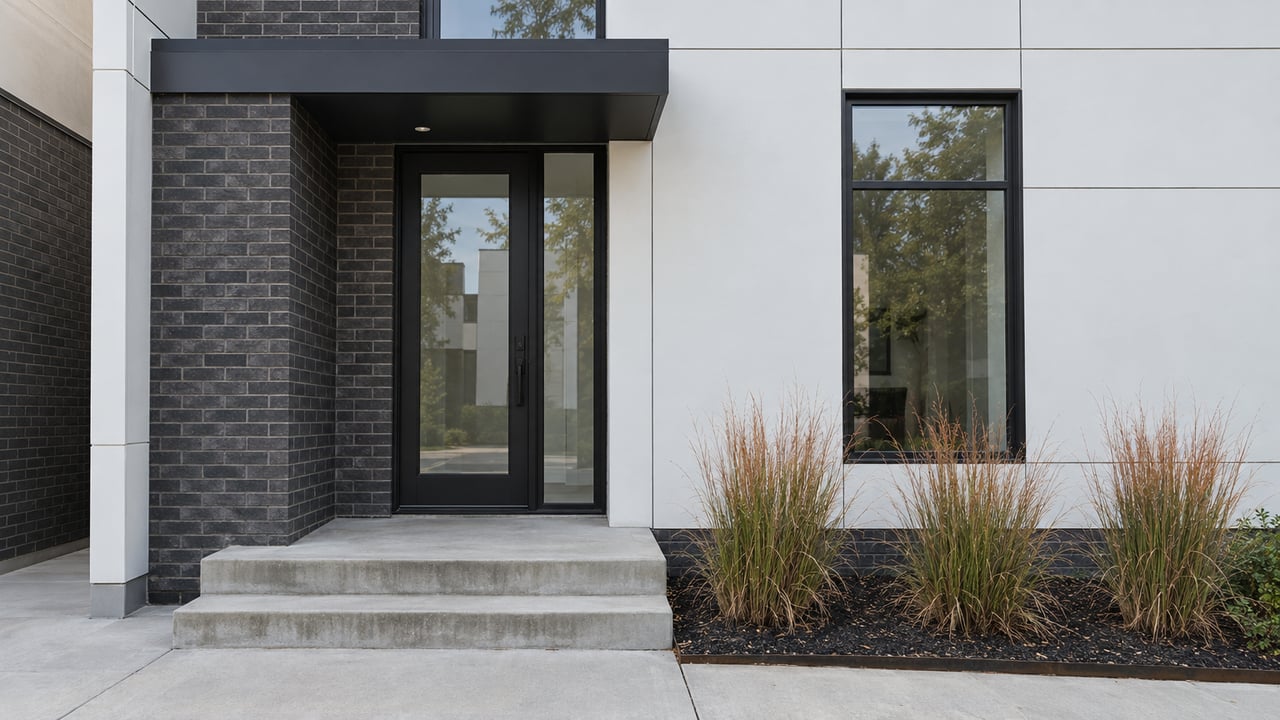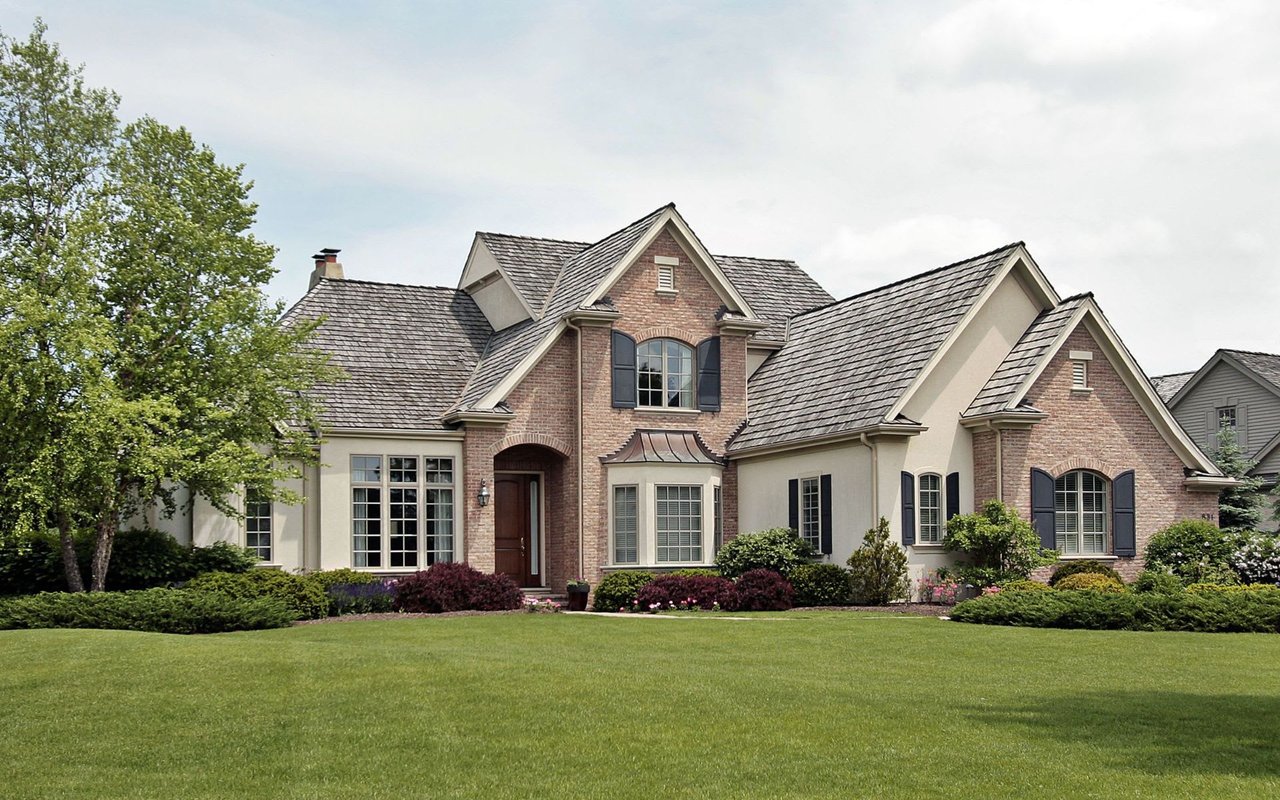
Many serious buyers in Nashville's luxury market eventually face this question. Should I buy an existing estate or build from the ground up?
The answer depends on more than preference. It depends on timeline, land availability, community covenants, and whether you view the property as a lifestyle purchase or a long-term capital position. In Nashville's most established neighborhoods, both paths can work. But they carry very different risk profiles, timelines, and financial structures.
Here is how CHORD Real Estate evaluates that decision with clients.
The Case for Buying
Buying an existing home in an established luxury community removes the two biggest variables in real estate: time and uncertainty.
You see the finished product. You walk the floors, assess the light, and evaluate the lot in real time. There is no gap between what was promised and what was delivered. No 18-month construction timeline. No budget overruns.
In communities like Belle Meade and Oak Hill, buying existing often means acquiring properties on lots that would be impossible to replicate today. Mature trees. Established setbacks. Privacy that took decades to develop. These are things a new build cannot manufacture overnight.
Forest Hills operates similarly. The lots are large, the governance is strong, and the housing stock includes estates that have appreciated precisely because the land beneath them became increasingly scarce over time. That dynamic is central to understanding how luxury real estate functions as a long-term wealth strategy.
Buying also carries a liquidity advantage. An existing home with a known market position, comparable sales history, and established neighborhood context is easier to value and easier to sell. Exit strategy matters at this price point. It should be evaluated on acquisition day, not at resale.
The Case for Building
Building gives you something buying cannot: total control over the finished product.
Floor plan. Ceiling height. Kitchen configuration. Primary suite orientation. Smart home systems. Every material, every finish, every room calibrated to how you actually live. For buyers with specific requirements, particularly those involving multigenerational layouts, home offices, wellness spaces, or equestrian facilities, building is often the only path to getting exactly what they need.
Brentwood has become one of the strongest custom build markets in the Nashville metro. Buyers are acquiring five-plus acre parcels and creating private estates designed around their specific vision. These are not spec homes. They are legacy properties built to hold for decades.
Franklin offers a different build equation. The market there splits between historic properties and new luxury developments, and both paths attract serious buyers. New construction in Franklin's established corridors can command strong appreciation when the build quality, lot, and positioning align with what the market values long term.
Building also makes sense in equestrian communities where the land itself is the primary asset. In Thompson's Station, Spring Hill, and across Williamson County, buyers frequently acquire land with existing barns or riding facilities and build a residence around the equestrian infrastructure. For a full overview of those communities and properties, read our guide to luxury equestrian estates in Williamson County.
Land Appreciation vs. Structure Appreciation
This is the question that separates casual buyers from capital-minded ones.
In Nashville's most established luxury corridors, long-term appreciation is frequently driven more by land scarcity than by interior upgrades. Architectural trends evolve. Design preferences shift. Land in communities like Belle Meade, Oak Hill, and Brentwood becomes increasingly finite.
That matters for both buyers and builders.
If you buy an existing estate on a premium lot, the land does the heavy lifting on appreciation even if the structure eventually needs updating. If you build, the land is still the appreciating asset, but you have added a structure calibrated to current demand. Both can work. The key is evaluating the lot independently from the home sitting on it.
Sophisticated buyers look at lot size relative to neighborhood norms, privacy, topography, development constraints, and long-term redevelopment potential. Finishes attract attention. Land drives long-term value.
The Timeline Reality
Building a custom home in Nashville's luxury market typically takes 18 to 30 months from land acquisition to move-in. That includes architect engagement, permitting, site work, construction, and finishes.
Buying compresses that to 30 to 90 days in most cases.
For buyers relocating to Nashville, that timeline difference can determine the entire approach. If you need to be settled before a school year starts or a job transition completes, buying is the practical path. If your timeline is flexible and the priority is getting exactly what you want, building may be worth the wait.
CHORD works with relocation buyers who handle this both ways. Some purchase an existing home to establish residency while simultaneously planning a custom build on a separate parcel. Others find the right property on the resale market and skip the build entirely.
Selling to Fund a Build
Many custom build clients are selling an existing Nashville property to fund the new construction. This creates a sequencing challenge.
Selling too early means temporary housing, storage, and disruption. Selling too late means carrying two properties or scrambling to close on overlapping timelines. Preparation and pricing discipline on the sale side matter enormously here. A well-positioned listing that sells on timeline gives you leverage on the build side. A listing that lingers creates financial pressure at exactly the wrong moment.
This is where team-based advisory matters. Coordinating a sale, a land acquisition, architect selection, builder contracts, and construction financing requires more than transactional guidance. It requires a team that understands both sides of the equation and can sequence them to protect your position.
Community-by-Community Considerations
Not every luxury community works equally well for both buying and building. Some favor one path over the other based on available inventory, lot availability, and community covenants.
Green Hills: Primarily a buying market. Established homes on desirable lots. Limited raw land available for ground-up construction. Buyers here are typically acquiring existing estates or extensively renovating.
Nolensville: Increasingly popular for new construction. More available land than inner-ring communities. Buyers willing to move slightly further out gain acreage and build flexibility.
Columbia: Strong build market for equestrian buyers who want significant acreage at lower per-acre costs than inner Williamson County. Land is the asset. The home is built around it.
12 South and Midtown: Almost exclusively buying markets. Urban lots are scarce and expensive. Most buyers here are purchasing existing homes or condos, not building.
Hermitage and Donelson: Offer a middle ground. Some parcels available for new construction at price points significantly below the western suburbs. Buyers focused on value and access rather than prestige often find build opportunities here.
The Decision Framework
When evaluating buy vs. build, the variables that matter most are:
Timeline: If you need to be in a home within 90 days, you are buying. If you have 18-plus months, building becomes viable.
Control: If specific layout, finishes, or equestrian infrastructure are non-negotiable, building is likely the path. If you can find 80% of what you want in an existing property, buying saves significant time and risk.
Land: If the lot you want has no existing structure, building is your only option. If the lot already has a home, evaluate whether the land value justifies the acquisition even if you eventually tear down and rebuild.
Capital Position: Building typically requires more upfront capital with less predictable total cost. Buying provides a fixed price. Factor in contingency budgets, construction financing costs, and the opportunity cost of capital deployed during a long build cycle.
Exit Strategy: An existing home in an established community with comparable sales is easier to price and sell. A custom build may or may not align with future buyer preferences. Build for longevity, not trend.
Working with CHORD
The CHORD Nashville team evaluates buy vs. build decisions through a coordinated advisory lens. Valuation, acquisition discipline, negotiation sequencing, and long-term positioning are assessed collectively.
Whether you are acquiring an estate in Belle Meade, building on acreage in Brentwood, or evaluating equestrian land in Williamson County, the approach is the same: protect the capital position, align the property with how you actually live, and structure the transaction to perform across market cycles.
Browse current listings or explore homes for sale in Brentwood to see what is available now. For buyers evaluating a build, CHORD connects clients with vetted architects, builders, and construction lenders throughout the Nashville market.
Contact CHORD Real Estate | 615.988.1001
Frequently Asked Questions
Is it cheaper to buy or build in Nashville's luxury market?
It depends on the community and the scope of the build. In established neighborhoods like Belle Meade and Green Hills, buying is often more cost-efficient because existing homes come with mature lots and established infrastructure. In areas with available land like Brentwood or Thompson's Station, building can offer better value per square foot, but total cost is less predictable due to construction variables.
How long does it take to build a custom home in Nashville?
Most custom luxury builds take 18 to 30 months from land acquisition to move-in. That includes architect engagement, permitting, site preparation, construction, and interior finishes. Delays from permitting, weather, or material availability are common. Build a buffer into any timeline.
Can I buy land in an equestrian community and build later?
Yes. Many buyers in Franklin, Thompson's Station, and Spring Hill acquire land with existing equestrian infrastructure and build a residence in a later phase. Confirm community covenants and any build timelines required by the HOA before purchasing.
Should I sell my current home before starting a custom build?
Timing the sale is one of the most important decisions in a build project. Selling too early creates housing gaps. Selling too late creates financial pressure from carrying two properties. CHORD coordinates sale timing with build milestones to protect your capital position throughout the process.
Does land or the home drive long-term value in Nashville's luxury market?
In Nashville's most established luxury corridors, land scarcity is typically the primary driver of long-term appreciation. Architectural trends change. Lot size, privacy, topography, and location in communities like Belle Meade, Oak Hill, and Brentwood do not. Evaluate the land independently from the structure sitting on it.