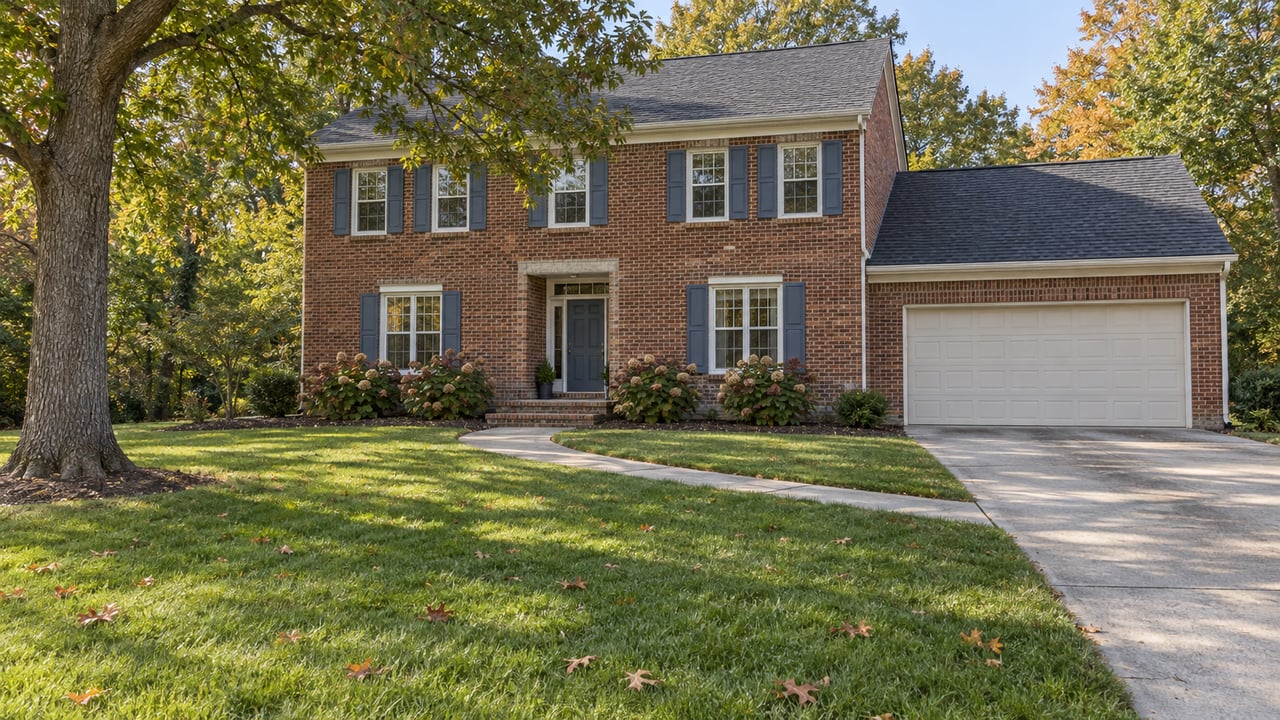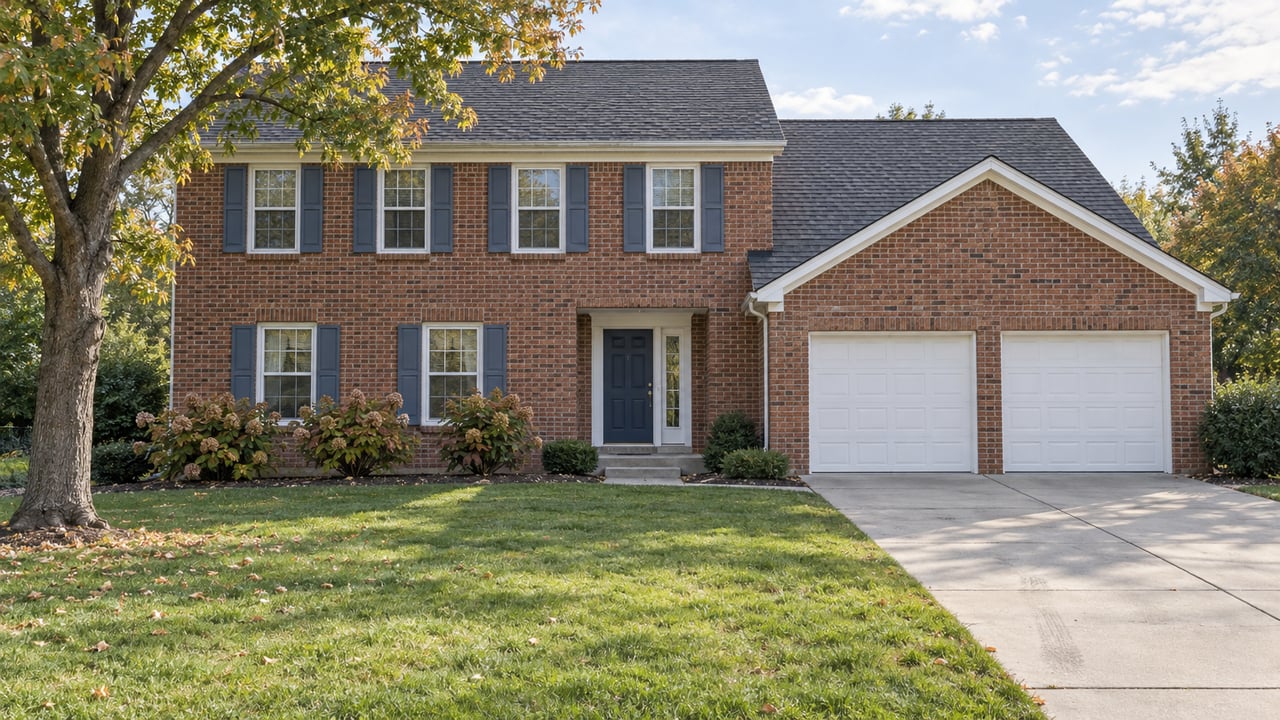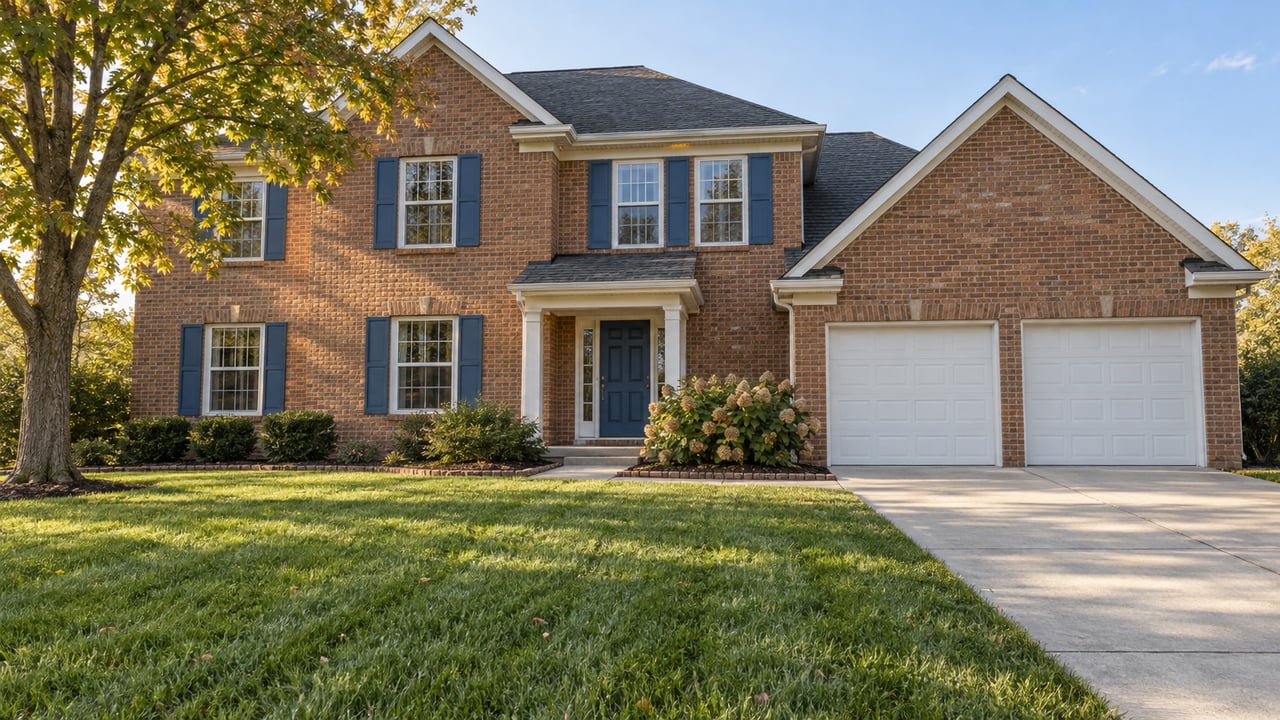
Franklin, TN luxury buyers in 2026 face a real fork in the road: a home in one of the city's historic districts, governed by a preservation overlay and built in period architecture, or a new-construction property in a master-planned community along the I-65 south corridor. Both paths deliver strong long-term value, but they differ sharply on renovation rules and daily lifestyle. This guide walks through current price data, the Certificate of Appropriateness process, insurance considerations, and resale patterns so buyers can match the right property type to how they actually want to live. Recent listings on CHORD's Franklin neighborhood page suggest the gap between these two paths has only widened, making the decision more consequential than it was a few years ago.
Quick Snapshot
- Price: Historic district homes and established resale properties in 37067 run around $875,000 median; new-construction communities often price higher once lot premiums and builder upgrades are included, with the broader Franklin/Williamson County median near $950,000.
- Timeline: New builds in popular subdivisions frequently sell before completion, sometimes with minimal days on market; historic district purchases can take longer to close if the home needs a pre-purchase COA consultation.
- Renovation burden: Historic homes require Certificate of Appropriateness approval from Franklin's Historic Zoning Commission for most exterior changes; new builds carry no such review, though many sit inside HOAs with their own architectural guidelines.
- Lifestyle: Historic districts suit buyers who want walkable streets, mature trees, and proximity to downtown Franklin landmarks; new-construction communities suit buyers who want amenity packages (pools, clubhouses, sometimes equestrian or estate lots) and energy-efficient systems from day one.
Factor | Historic Districts | New-Construction Communities |
|---|---|---|
Typical price point | ~$875K median (37067 resale) | Often at or above $950K county median once lots and upgrades are added |
Days on market | Moderate; depends on condition and COA scope | Often sold at or before completion |
Renovation process | COA approval required for exterior work | Governed by HOA design guidelines, not city preservation review |
Insurance | Older systems and materials can raise premiums | Newer wiring, roofing, and code compliance often lower premiums |
Resale demand | Steady, driven by scarcity and architectural character | Steady, driven by turnkey condition and warranty coverage |
Lot type | Fixed, often smaller, walkable lots | Larger lots available, including some equestrian/estate options |
What Makes Franklin's Historic Districts Different?
Franklin's historic districts sit under a Historic Preservation Overlay, which means exterior changes to homes inside the boundary go through a formal review before work can start. The city's Historic Preservation Overlay program protects the architectural character that draws buyers to these streets in the first place. Homes in these areas represent Federal, Greek Revival, Victorian, and Craftsman styles, many within walking distance of landmarks like Carnton and the Carter House. That proximity to downtown Franklin, plus the scarcity of inventory, keeps demand for historic properties consistent even as new supply grows elsewhere in the county.
Buyers drawn to this category tend to value the story behind a house as much as its square footage. A home with a documented past, period millwork, or an original façade carries a kind of resale appeal that a production-built home cannot replicate. That said, owning one of these properties means planning renovation projects around a review process rather than a contractor's calendar alone.
Local Tip: Before making an offer on a historic district property, request the home's overlay designation details and any prior COA filings from the listing agent. Knowing what has already been approved (and what was denied) saves buyers from discovering restrictions after closing.
The Certificate of Appropriateness Process, Explained
A Certificate of Appropriateness (COA) is the approval a homeowner needs before altering the exterior of a home inside Franklin's historic overlay. The City of Franklin's COA process covers changes like rooflines, window replacement, additions, fencing, and exterior paint in some cases. Interior renovations generally fall outside COA review, so kitchen and bathroom updates move at a normal contractor's pace. Larger exterior projects, though, can add weeks or months to a timeline depending on the Historic Zoning Commission's review schedule.
This process is not designed to block improvement. It exists to keep new work consistent with a district's established character, which is part of why these neighborhoods hold their value. Buyers who plan a major renovation should budget extra time into their project schedule and consult with a preservation-experienced contractor early.
What New-Construction Communities Offer Instead
New-construction communities along the I-65 south corridor, in developments similar to Westhaven and Poplar Farms, skip the approval process entirely because there is no historic overlay to satisfy. Builders in these communities are competing hard for buyers in 2026, often offering rate buydowns and finish-allowance credits to make new homes price-competitive with resale inventory. Homes in these subdivisions typically include modern efficiency features that meet or exceed ENERGY STAR new-home standards, which can mean lower utility bills from the first year of ownership.
The trade-off is a different kind of oversight: HOA design review instead of city preservation review. Most of these communities enforce architectural guidelines through the HOA rather than a government body, and those rules can be just as detailed when it comes to fencing, paint colors, or accessory structures.
- Clubhouse and pool access in most master-planned communities
- Energy-efficient systems built to current code, often exceeding it
- Some communities offering equestrian or larger estate-style lots
- HOA dues that fund shared amenities but add a recurring cost
- New-home warranties covering structural and mechanical systems
Buyers who want predictable maintenance costs and a shorter path from offer to move-in tend to gravitate here. CHORD's post on buyers deciding between building and buying in Nashville covers this decision in more depth for anyone still weighing a custom build against a completed spec home.
Main Takeaway: Historic districts trade renovation flexibility for architectural scarcity and walkability; new builds trade a fixed design palette for speed, efficiency, and lower near-term maintenance. Neither path is objectively better. The right one depends on how a buyer plans to use and modify the home over time.
Price, Timeline, and Resale: What the Numbers Show in 2026
Current market data for Franklin and Williamson County shows a trailing median home price around $950,000, with the middle half of sales landing between $700,000 and $1.41 million. Price per square foot runs near $345, and homes are selling at roughly 98.7% of list price, a sign that well-priced properties in both categories are not sitting long. Supply sits around 6.1 months, which favors sellers slightly but still gives buyers room to negotiate on homes that have been listed longer than average.
Franklin's three core zip codes serve distinct buyer profiles. Zip 37064 captures roughly two-thirds of new-subdivision sales volume, reflecting where most of the master-planned development has concentrated. Zip 37067 skews toward established homes, with a median near $875,000. Zip 37069 blends both categories, giving buyers a middle path if they want proximity to downtown without committing fully to either extreme.
One structural factor worth understanding: Williamson County can keep delivering new-construction supply at a scale that built-out submarkets in Davidson County simply cannot match anymore. That ongoing supply is part of why Franklin's median price runs roughly double Davidson County's figure of around $475,000. Buyers comparing the two counties should weigh that supply difference alongside lifestyle preferences, since it affects both near-term pricing and long-term appreciation potential.
Who Tends to Choose Each Path?
Buyers who prioritize walkability, mature landscaping, and a home with documented history tend to choose historic districts, even knowing the COA process adds a layer of planning to renovations. Buyers relocating for schools, a shorter commute to office parks along the I-65 corridor, or a turnkey move tend to choose new construction instead. Families interested in horse property or larger acreage often look toward the estate and equestrian lots available in select new communities; CHORD's guide to equestrian estates in Williamson County covers that niche in detail.
Buyers who grew up around Nashville's older neighborhoods sometimes bring preservation-district expectations with them, which is worth reading alongside CHORD's piece on East Nashville's historic overlays for a broader regional comparison. Buyers relocating from out of state, particularly to nearby Spring Hill, may find CHORD's relocation guide to Spring Hill useful for comparing commute times against Franklin's core zips.
Insurance and Ongoing Costs to Plan For
Older homes in historic districts can carry higher insurance premiums, largely because original wiring, plumbing, and roofing materials cost more to repair or replace under a claim. Insurers sometimes require updated electrical panels or roof certifications before issuing a policy at standard rates. New-construction homes generally insure more affordably at first, since current code compliance and new systems reduce the insurer's risk exposure. That gap tends to narrow over time as a new home ages, so buyers should think of it as a near-term advantage rather than a permanent one.
HOA dues are the counterpart cost on the new-construction side. A community with a clubhouse and maintained common grounds will charge more than a community with fewer shared amenities, and those dues typically rise over time. Buyers comparing total cost of ownership should request both the historic property's insurance quote and the new-construction community's HOA budget before finalizing an offer.
A Due-Diligence Checklist for Either Path
- Request the home's overlay designation and any past COA approvals or denials (historic properties)
- Review the HOA's covenants, dues history, and reserve fund status (new-construction communities)
- Get an insurance quote before writing an offer, not after
- Ask for the builder's warranty terms in writing, including structural coverage length
- Compare price per square foot against recent closed sales in the same zip code, not just the same subdivision
- Walk the property at different times of day to gauge traffic, noise, and light exposure
Either path benefits from a full home inspection, but historic properties in particular warrant a specialist familiar with older building materials. CHORD's market trends page stays updated with current Williamson County figures for buyers who want to track pricing before making an offer.
Is It Possible to Get the Best of Both?
Some Franklin buyers land on a middle path: a newer home built within or adjacent to a historic district, or an older home in a neighborhood without a formal overlay designation. These properties can offer period-adjacent character without a full COA obligation, though they are harder to find and often move quickly once listed. Buyers open to this hybrid approach should work with an agent who tracks both categories closely, since these listings rarely stay on the market long enough to surface in a general search.
For buyers still deciding, browsing current inventory side by side is often more useful than reading comparisons alone. CHORD's home search and full property listings let buyers filter by neighborhood and see both historic and new-construction options in the same view. Homeowners weighing whether to sell an existing property before buying in either category can start with a free home valuation to understand current equity position.
Comparing Both Paths With CHORD Real Estate
Choosing between a historic district home and a new-construction property comes down to how a buyer wants to live day to day, not just what the price tag says. Touring both types of properties back to back is usually the fastest way to know which one fits. The team at CHORD Real Estate knows both markets closely and can help buyers and sellers compare real options across Franklin's historic streets and its newest communities. Reach out through the contact page or call (615) 988-1001 to start the conversation, or explore Sell Your Home resources if a move in either direction starts with listing a current property first.