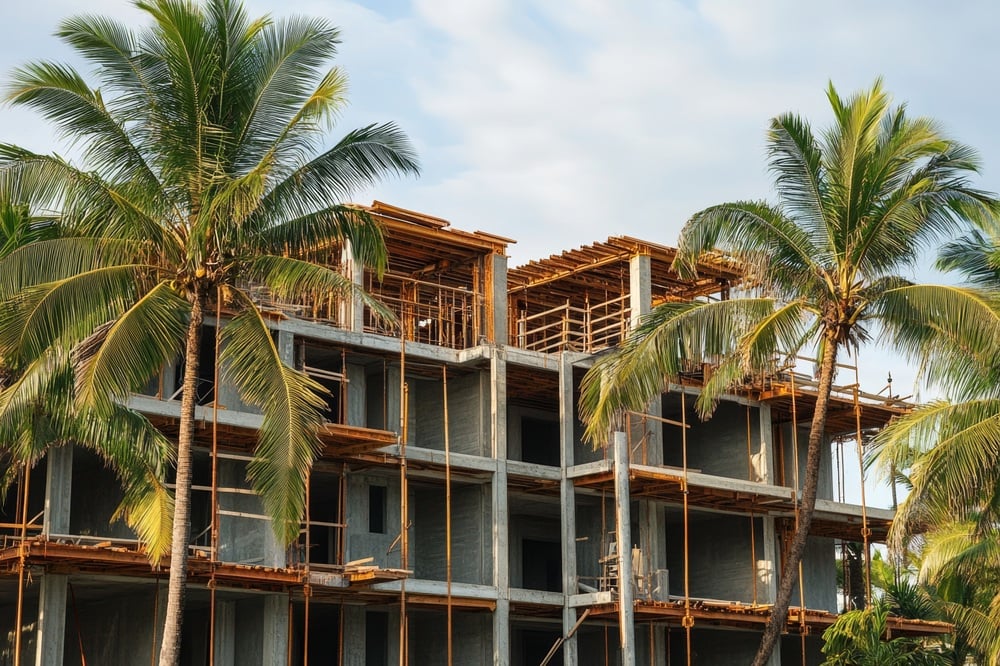
Pre-construction property purchases offer Panama's best pricing, accessing developments before public launch and securing units at initial release rates. But pre-construction carries specific risks requiring careful navigation.
Understanding these risks and mitigation strategies helps investors make informed decisions about Panama's pre-construction opportunities.
The Pre-Construction Advantage
Pre-construction purchases provide multiple benefits:
Pricing: Lowest entry points occur at project launch before demand drives prices upward. Developers incentivize early buyers with favorable terms and pricing.
Unit Selection: First buyers access prime units with best views, floor plans, and locations within developments. Later buyers choose from remaining inventory.
Payment Structure: Extended payment plans during construction spread investment over time rather than requiring full payment upfront. This improves cash flow management.
Appreciation During Construction: If market appreciates during construction timeline, buyers secure current pricing for future delivery. The gap between purchase price and completion value creates immediate equity.
Customization Options: Early buyers sometimes negotiate finishes, layouts, or upgrades while projects remain flexible.
These advantages explain pre-construction's appeal despite inherent risks.
Primary Risk: Non-Completion
The fundamental pre-construction risk: developers fail to complete projects.
"There are a lot of developers in Thailand that do not complete projects," Steve Luther notes, illustrating why market selection and developer vetting matter critically.
Non-completion creates multiple problems:
Deposits lost or tied up in legal proceedings
Opportunity cost from capital deployed in failed projects rather than successful investments
Time wasted on transactions never delivering returns
Difficulty recovering funds across international jurisdictions
This risk varies dramatically by market and developer. Mature markets with established regulatory frameworks and experienced developers carry lower non-completion risk than emerging markets with limited oversight and unproven builders.
Secondary Risks
Construction Delays: Even completing projects often run behind schedule. Delays affect anticipated cash flow timing, rental income generation, and personal use plans.
Causes include permitting issues, labor shortages, material supply disruptions, financing gaps, contractor problems, and weather delays.
Quality Shortfalls: Finished products sometimes fall short of marketing materials and promises. Unit finishes, common areas, amenities, and building systems may not match expectations set during the sales process.
Market Changes: Extended construction timelines expose buyers to market risk. If market softens during construction, completed units may be worth less than anticipated, reducing or eliminating expected appreciation.
Developer Financial Stress: Even developers intending completion may encounter financial difficulties requiring project restructuring, buyer price increases, or completion delays while seeking additional financing.
Panama-Specific Considerations
Panama's real estate market includes both risks and protective factors:
Positive Factors:
Established legal framework for foreign property ownership
Title insurance availability providing security
Strong regulatory environment compared to many Latin American markets
Large, experienced developers with multiple completed projects
Political stability reducing country-level risk
Risk Factors:
Some smaller developers lack extensive track records
Permitting processes can be opaque and time-consuming
Construction labor market faces periodic shortages
Material costs subject to international supply chain disruptions
CHORD's approach focuses on the established developer segment where completion risk is minimized.
The Vetting Process
CHORD's developer vetting specifically addresses pre-construction risk:
Completed Project Requirement: "Are they completing projects?" Minimum two fully completed projects demonstrating delivery capability. Marketing renderings are easy, finished buildings prove competence.
Financial Investigation: Deep dive into financial backing, ownership structure, debt levels, and liquidity. Developers under financial stress often cut corners or fail to complete. "You're looking at financials and track records just like you would here."
Track Record Analysis: Not just completion, but quality, timeline adherence, buyer satisfaction, and post-completion support. Client references from previous developments reveal developer reliability.
Political Connections: "We work with three or four of the top developers in the country, friends of the president of Panama." These connections don't guarantee success but do indicate established position and reduced permitting risk.
Ongoing Monitoring: Vetting continues throughout construction. CHORD team members visit projects regularly, assess progress, monitor developer financial health, and alert clients to emerging concerns.
Red Flags
Warning signs suggesting elevated pre-construction risk:
Developer Red Flags:
No completed projects or only one previous development
Reluctance to provide financial statements or client references
Aggressive marketing without substance
Unusual payment structures or deposit requirements
Lack of proper permitting and approvals
Recent financial difficulties or legal issues
High staff turnover or organizational instability
Project Red Flags:
Unrealistic completion timelines
Pricing significantly below market comparables without explanation
Vague or changing project specifications
Difficulty accessing construction site or progress information
Minimal actual construction progress despite marketing push
Unclear financing structure or multiple financing changes
CHORD eliminates developers and projects exhibiting these characteristics during vetting.
Risk Mitigation Strategies
Work with Established Developers: Focus on firms with multiple completed projects and strong financial positions. Pay premium for reduced risk rather than chasing absolute lowest pricing with unproven developers.
Verify Permitting: Ensure proper permits and approvals exist before committing. Attorney review of development permissions catches issues before deposit.
Structured Payments: Favor payment plans tied to construction milestones rather than time-based schedules. Pay as construction progresses, not simply as months pass.
Title Insurance: Where available, secure title insurance protecting investment if ownership issues emerge.
Legal Review: Have independent attorneys (not developer's) review purchase agreements and construction contracts before signing.
Site Visits: If possible, visit construction sites during development. Physical progress verification provides confidence abstract promises cannot.
Escrow Accounts: Prefer arrangements where deposits held in escrow or trust until construction milestones achieved rather than paid directly to developers.
CHORD's Approach
"In Panama we've got our entire team in place and they're all extremely good at what they do. We work with three or four of the top developers in the country, friends of the president of Panama. They're big players and they have done a lot of projects and they are very good at what they do."
This selective approach prioritizes completion confidence over maximum deal volume. Better to offer fewer developers with higher completion certainty than broad selection including riskier options.
The Pre-Market Advantage
"Because we have such great relationships with these developers, we actually get some pre-market deals. We'll probably have a little announcement on the webinar about a new development that no one has access to yet. So obviously pricing is a little bit better when you can get in on the front end like that."
Pre-market access provides pricing advantage without increasing risk when dealing with vetted, established developers. This represents an optimal combination: reduced cost with managed risk.
When Pre-Construction Makes Sense
Pre-construction works best for:
Investors with longer time horizons comfortable with 2-4 year completion timelines
Buyers prioritizing appreciation over immediate cash flow
Investors working with thoroughly vetted, established developers
Purchasers with capital allowing deposit deployment without immediate return requirements
Sophisticated investors understanding and accepting construction-phase risks
When to Avoid Pre-Construction
Skip pre-construction if:
You need immediate cash flow from rental income
Short investment timeline requires quick liquidity
Risk tolerance doesn't accommodate completion uncertainty
Capital constraints mean deposit loss would create financial hardship
Developer hasn't been thoroughly vetted or lacks completion track record
The Summit Advantage
The Invest Panama Summit provides direct developer access and project evaluation opportunity:
Meet developers presenting current and upcoming projects
Tour completed projects demonstrating past delivery capability
Visit construction sites assessing current progress
Review project documentation and contracts with CHORD attorneys
Compare multiple opportunities across established developers
This direct evaluation supplements CHORD's vetting with personal assessment.
Evaluate pre-construction and other opportunities safely
Invest Panama Summit | May 28-30, 2026
https://chordrealestate.com/investpanamasummit
[email protected] | 615.988.1001