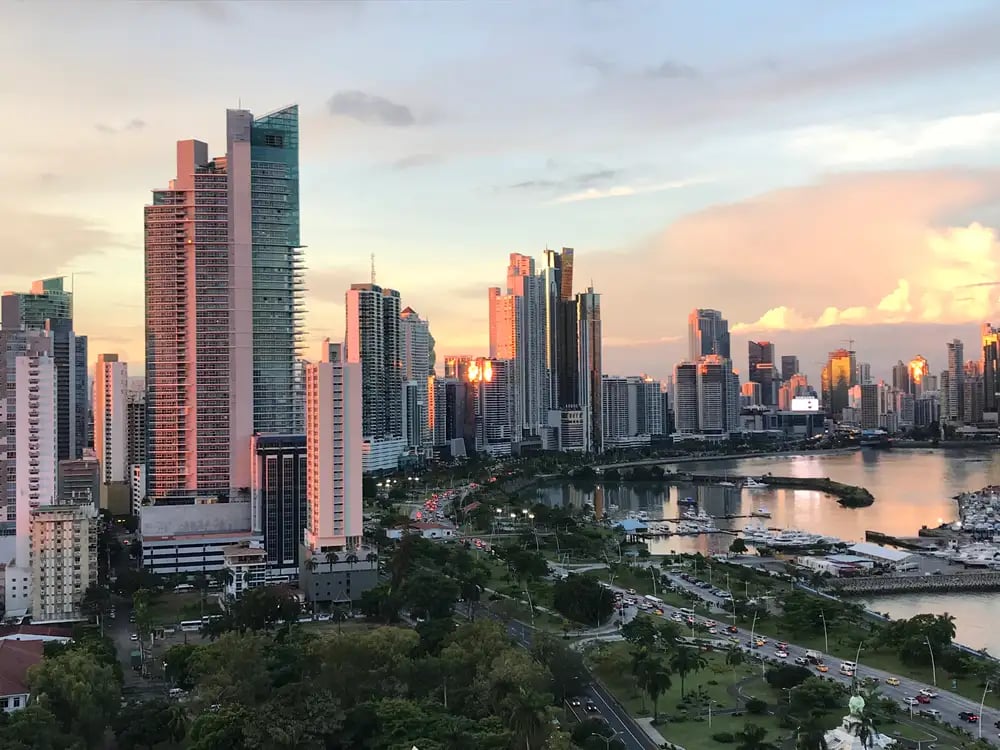
Panama real estate offers dramatically different investment profiles depending on location. Understanding these differences helps investors align properties with goals, risk tolerance, and personal use intentions.
Panama City: The Established Market
The Investment Case:
Panama City offers Panama's most liquid and established real estate market. The capital's economy revolves around the Canal, international banking sector, multinational headquarters, and business services, creating sustained demand independent of tourism fluctuations. Note: the yield returns listed are simply a sampling of past performance and are not guaranteed returns.
Rental Market Drivers:
Corporate Tenants: International companies establish Panama operations and need executive housing. These tenants pay premium rents, maintain properties well, and often sign longer leases.
Professional Expats: Banking, legal, consulting, and logistics professionals relocate to Panama for career opportunities. They seek modern apartments with amenities near work locations.
Digital Nomads: Remote workers attracted to Panama's infrastructure, time zone, and visa accessibility create a growing rental segment. They typically prefer furnished units in walkable neighborhoods.
Wealthy Latin Americans: Regional business owners and wealthy individuals from throughout Latin America purchase or rent Panama City properties for business access and political stability.
Typical Yields:
Rental yields in Panama City generally run 5-7% gross annually. Premium properties in prime locations might drop to 4-5%, while emerging neighborhoods can reach 7-8%.
Appreciation Factors:
Panama City appreciation tends to be steady rather than explosive, think 3-5% annually in established areas. Value comes from:
Sustained economic activity from Canal and international business
Infrastructure improvements (metro expansion, new roads)
Neighborhood evolution as city expands
Currency stability (dollar-based economy)
Best For:
Investors prioritizing cash flow over aggressive appreciation, those comfortable with urban property management, and buyers seeking the most liquid Panama market for eventual resale.
Beach Communities: The Development Play
The Investment Case:
Beach areas like Playa Caracol, Coronado, and San Carlos represent earlier-stage development plays. Infrastructure is developing, major projects are underway, and appreciation potential exceeds established markets, but with corresponding increased risk.
Rental Market Drivers:
Vacation Rentals: Primary demand comes from short-term vacation rentals to tourists, Panamanian weekend visitors, and snowbirds. This creates higher nightly rates but potential seasonal gaps.
Expat Retirees: Growing retiree population seeks long-term rentals in beach communities. These tenants value stability but typically negotiate lower rates than vacation rental peak.
Corporate Retreats: Some beach properties attract corporate groups for team offsites, conferences, or extended executive stays. Premium properties with multiple bedrooms work best for this segment.
Weekend Warriors: Panama City residents with beach properties often keep them for personal use, limiting rental availability but supporting values through owner demand.
Typical Yields:
Beach community yields vary dramatically:
Vacation rental model: Can achieve 8-10%+ gross yields during high season, but requires active management and accepts seasonal vacancy
Long-term rental model: More conservative 5-7% yields with less management intensity
Personal use priority: Yields drop significantly if owner uses property extensively
Appreciation Factors:
Beach areas offer higher appreciation potential driven by:
Major developments (Margaritaville bringing infrastructure to Playa Caracol)
Improved road access reducing travel time from Panama City
Growing expat and tourism awareness of areas
Pre-construction pricing before areas fully develop
Realistic appreciation expectations: 5-8% annually in developing areas during growth phase, with possibility of larger gains during major development catalysts.
Best For:
Investors comfortable with development risk, those seeking appreciation over immediate cash flow, buyers planning significant personal use, and investors with longer time horizons (7-10+ years).
Playa Caracol: The Specific Opportunity
Why This Beach Stands Out:
Proximity: 90-minute drive from Panama City, close enough for weekend trips, far enough to feel like escape.
Undeveloped Beauty: Seven miles of white sand beach with minimal current development creates clean-slate opportunities.
Major Developer: Margaritaville's investment brings infrastructure, amenities, and marketing reaching international audiences.
Government Support: Panama positions Playa Caracol as the next major beach destination with infrastructure investments.
Pre-Construction Pricing: Early investors access pricing before full development and appreciation.
The Risk Profile:
Development plays always carry risks:
Developer could face delays or financial challenges
Infrastructure improvements might proceed slower than projected
Tourism demand could develop more gradually than expected
Natural disasters could impact coastal development
Mitigation comes from developer track record, project financing strength, and diversifying across multiple properties/locations.
Investment Strategy Considerations
Portfolio Approach:
Many investors combine both:
Panama City property for stable cash flow and liquidity
Beach property for appreciation play and personal use option
This balances immediate returns with long-term growth potential.
Time Horizon:
Short-term (1-3 years): Panama City's liquidity and immediate rental market make more sense.
Medium-term (3-7 years): Beach developments offer appreciation upside as infrastructure completes and demand grows.
Long-term (7+ years): Beach areas fully mature, potentially offering both appreciation and established rental markets.
Personal Use Factor:
If you'll actually use the property:
Beach: Most Americans prefer beach properties for personal use. A week at the beach provides more vacation value than a week in Panama City (which feels like any other city).
City: Makes sense for investors conducting business in Panama, wanting urban cultural experiences, or needing easy flights in/out of the country.
Management Intensity:
City: More straightforward property management. Established service providers, less weather risk, consistent tenant demand.
Beach: Vacation rental model requires active management or quality management company. Seasonal variation requires preparation. Property maintenance faces a harsher coastal environment.
Risk-Adjusted Returns
When comparing Panama City vs. beach opportunities, consider risk-adjusted returns:
Panama City:
Lower returns (5-7% yield, 3-5% appreciation)
Lower risk (established market, diversified economy, easy property management)
Higher liquidity (easier to sell when desired)
Beach Communities:
Higher potential returns (8-10% yield, 5-8% appreciation)
Higher risk (development uncertainty, seasonal demand, weather exposure)
Lower liquidity (smaller buyer pool, longer time to sell)
Neither is universally "better," it depends on your risk tolerance, investment timeline, and personal goals.
The CHORD Approach
During the Invest Panama Summit, CHORD provides comprehensive exposure to both markets:
Friday: Panama City tours showing urban investment options across price ranges and neighborhoods
Saturday: Playa Caracol excursion revealing beach development opportunity and lifestyle experience
This dual exposure lets investors compare markets directly, understand trade-offs, and make informed decisions aligned with personal investment thesis.
Explore both Panama City and beach opportunities
Invest Panama Summit | May 28-30, 2026
[email protected] | 615.988.1001