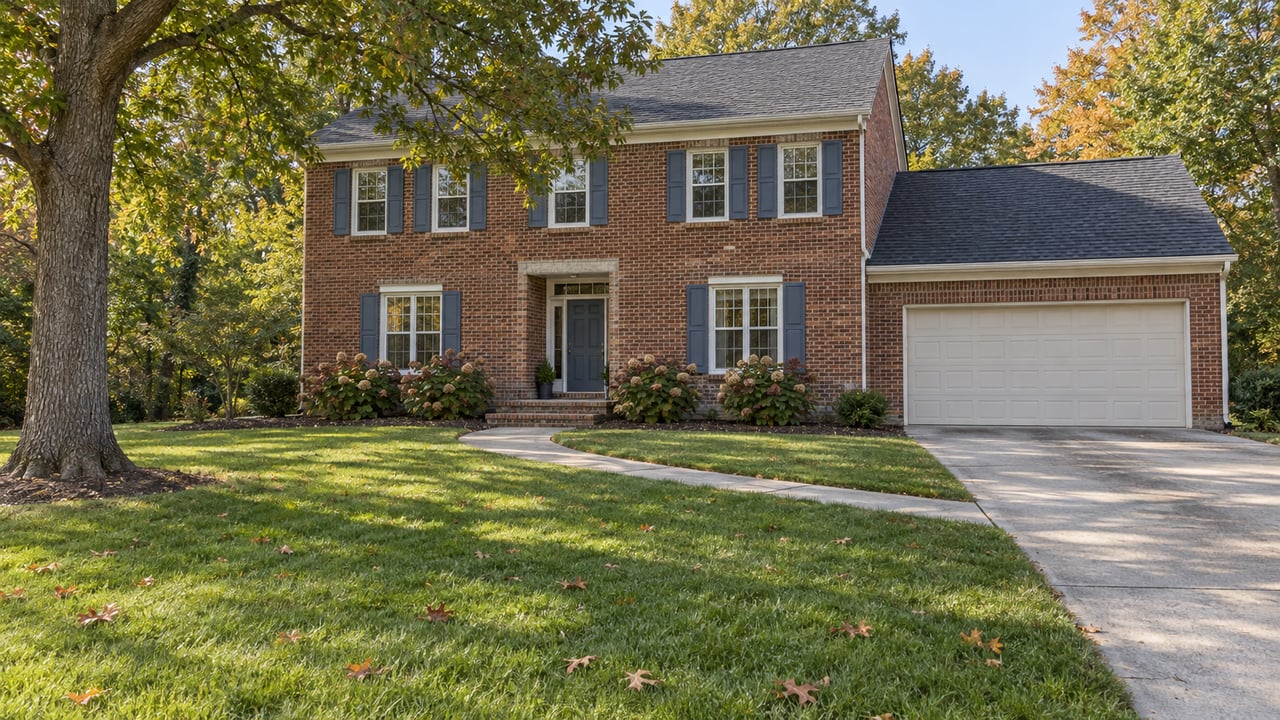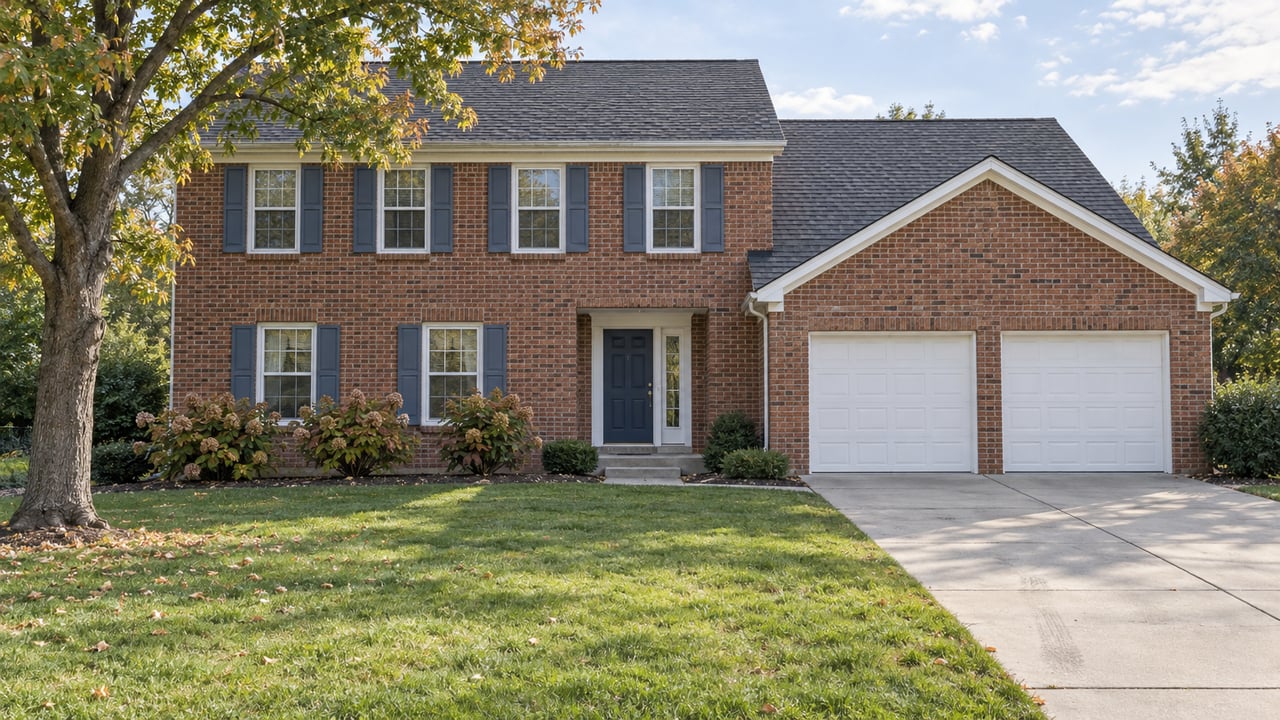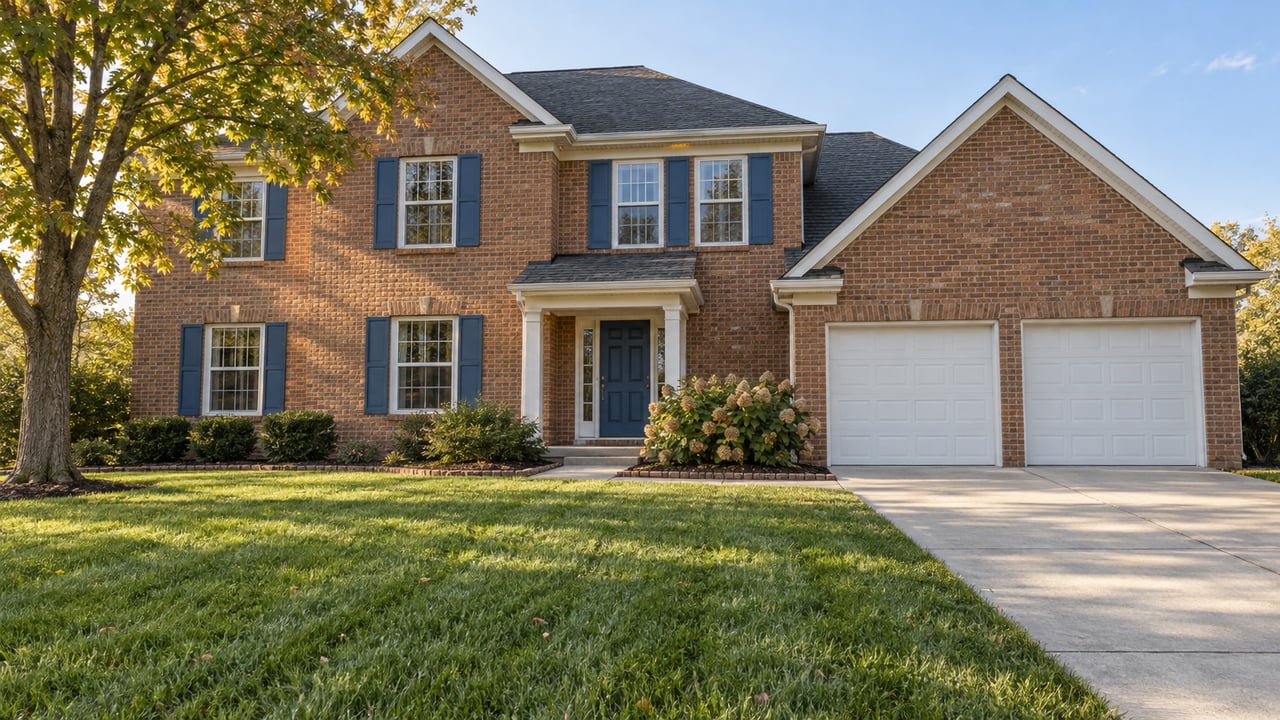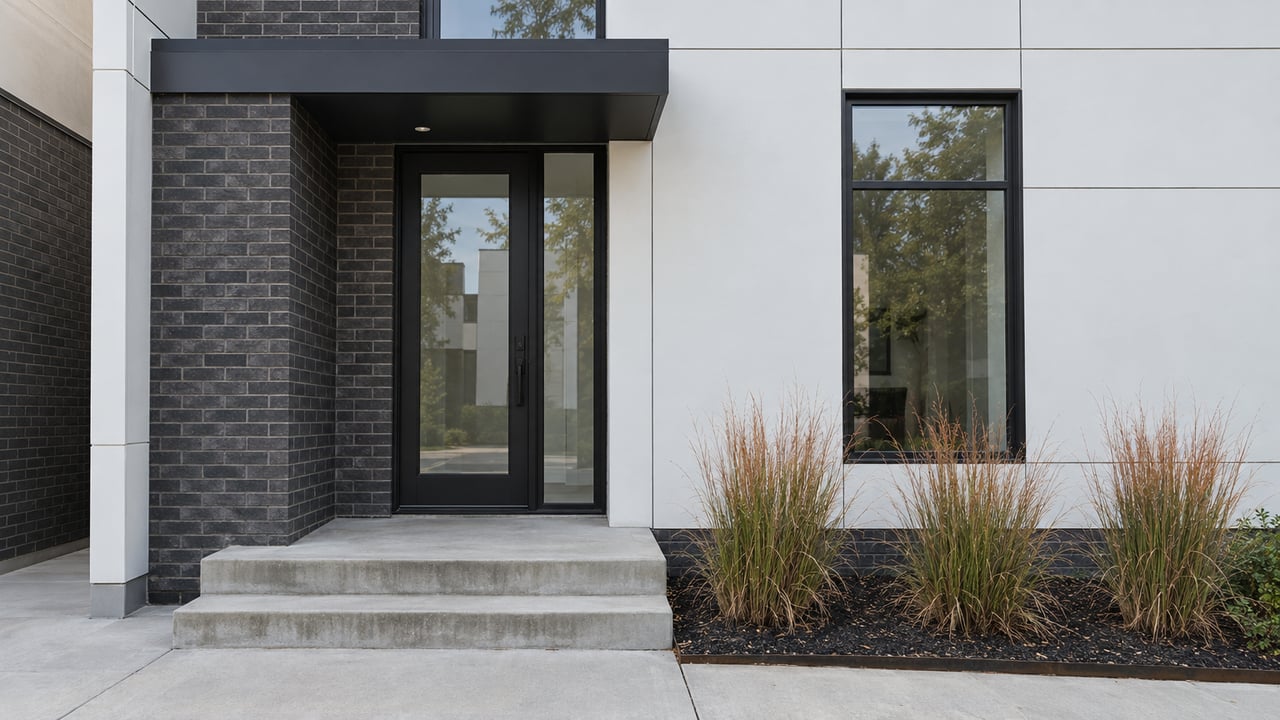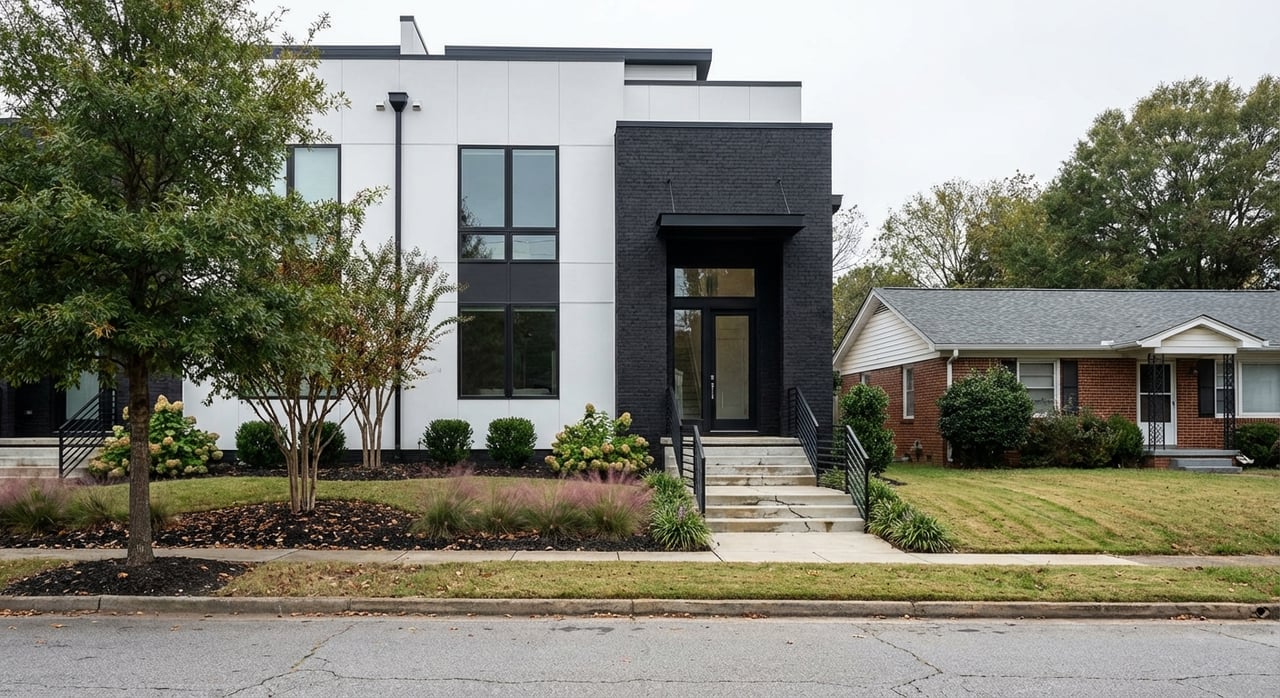
Madison vs East Nashville comes down to one core trade-off: Madison offers a lower entry price and a stronger price-per-square-foot value, while East Nashville trades a real premium for a shorter commute and immediate walkability. As of 2026, Madison's median sale price sits around $380,000 against East Nashville's roughly $585,000 citywide, a gap that widens further inside East Nashville's most walkable zip code. That difference plays out differently depending on the zip code and how much a shorter drive is worth to a given household. This comparison breaks down price, commute, housing stock, and day-to-day life in both markets so buyers can decide with real numbers instead of guesswork.
Quick Snapshot: Madison vs East Nashville
Madison (37115) | East Nashville (37206 core) | |
|---|---|---|
Median sale price | ~$380,000 | ~$585,000 citywide, ~$675,000 in 37206 |
Price per square foot | ~$220, rising sharply | Commands a real premium over Madison |
Average commute | ~26 minutes | ~22 minutes |
Days on market | ~51 days | High-70s to 80s days for resale |
Sale-to-list ratio | ~98% | Lower, reflecting longer market times |
Overall feel | Ranches and mid-century homes, quieter streets | Walkable core, renovated bungalows, new construction pockets |
Median Home Prices in Madison and East Nashville
Madison's median sale price runs around $380,000 as of 2026, up roughly 3% year over year according to recent market data. East Nashville overall sits closer to $585,000, but that citywide figure hides real variation by zip code. Buyers comparing the two markets should look at East Nashville's individual zip codes rather than treating the neighborhood as one price point.
- 37206 (core East Nashville): the most walkable and established pocket, with a median closer to $675,000.
- 37216: the value alternative within East Nashville, priced well below the 37206 core.
- 37207: closer-in and heavier on new construction, with a median closer to $440,000.
Even East Nashville's most affordable zip code still runs above Madison's citywide median. Buyers can browse current Madison listings and compare pricing directly against East Nashville properties to see today's spread firsthand. For pricing trends beyond these two areas, CHORD's market trends page tracks how Nashville-area values are moving overall.
Local Tip: Buyers who want East Nashville's energy but need Madison-level pricing often start their search in 37207 or 37216 rather than the 37206 core.
Where Does Price Per Square Foot Stretch Further?
Madison wins clearly on price per square foot, running around $220 and climbing sharply year over year while still staying well below East Nashville's core pricing. East Nashville's per-square-foot cost carries a real premium tied to walkability, limited land, and renovation quality, particularly inside 37206. That premium is essentially the price tag on a shorter commute and a closer-in lifestyle, not just a market quirk.
For a buyer weighing an 1,800-square-foot home in each market, the Madison home puts more usable space and yard within reach for a similar monthly payment. East Nashville still wins for buyers whose priority is being inside the loop rather than maximizing square footage. Neither answer is universally right; it depends on what the household actually values day to day.
Days on Market and Negotiating Room
Madison homes are selling in about 51 days on average, with roughly 14 to 15% closing above list price. That pace, combined with a sale-to-list ratio near 98%, points to a market that is competitive without being frantic. East Nashville resale homes are sitting longer in 2026, often in the high-70s to 80s day range, which gives buyers more room to negotiate.
New construction in East Nashville's strongest pockets is the exception to that pattern. Those homes still move quickly, because there is little land left to build on inside the neighborhood's most walkable core. Buyers targeting resale in East Nashville should plan for extra patience and use the longer market time as leverage, while Madison buyers should expect to move decisively on a well-priced listing.
Main Takeaway: Madison rewards buyers who move fast on the right listing. East Nashville resale rewards patient negotiators, while new construction there still requires a Madison-style quick decision.
Is East Nashville's Shorter Commute Worth the Price Premium?
East Nashville's average commute runs about 22 minutes versus roughly 26 minutes from Madison, a modest four-minute difference that comes at a significant per-square-foot cost. For most buyers, four minutes a day does not offset a price gap that can run into six figures depending on the zip code. The commute question matters more for buyers whose daily destination sits specifically inside the East Nashville core, since Madison's longer drive compounds with traffic along Gallatin Pike and I-65.
Both areas still rely mostly on driving day to day. WeGo Transit service reaches sections of Madison and East Nashville for residents who want an occasional alternative to a car, but neither neighborhood functions as a car-free market yet. Commute comparisons here are best made on drive time rather than transit access.
Housing Stock, Character, and Renovation Potential
Madison's housing stock leans on ranches and Cape Cods, with mid-century splits filling in the gaps and moderate renovation activity underway. East Nashville shows far more renovation intensity, plus active new construction on any lot that comes available. That difference shapes what a buyer can realistically plan to do with a purchase in each market.
- Madison: larger lots and single-story layouts suited to buyers who want room to expand without East Nashville's price per square foot.
- East Nashville: dense bungalow blocks with heavy renovation activity and infill new construction, often within walking distance of restaurants and shops.
- Renovation cost: comprehensive updates in East Nashville frequently run $100 or more per square foot, reflecting both labor demand and finish expectations in the neighborhood.
- Overlay rules: parts of East Nashville sit inside historic overlay districts that govern exterior changes, worth understanding before buying a fixer there. See East Nashville's Historic Overlays: What Buyers Should Know for the details.
Walkability, Transit, and Everyday Life
East Nashville's core zip codes support a genuinely walkable day, with coffee shops and restaurants reachable on foot from many blocks. Madison remains a drive-everywhere market, though it offers easier parking and less competition for street space. Buyers who work from home or want to run errands without a car should weight this difference heavily, since it shapes daily life more than any other factor in this comparison.
East Nashville's creative and music-industry population has grown up around that walkability, and several blocks function as informal gathering points for local businesses. Buyers curious about that side of the neighborhood can review East Nashville for Creatives: A Buyer's Neighborhood Map for a block-by-block breakdown.
Which Neighborhood Fits Which Type of Buyer?
Madison tends to fit buyers who prioritize space and price per square foot over walkability. East Nashville tends to fit buyers who prioritize commute time and lifestyle over maximizing square footage. Four buyer profiles show how this plays out in practice.
- First-time buyers stretching a budget: Madison's lower entry price and predictable sale-to-list ratio make planning easier.
- Buyers who work near downtown or the Gulch: East Nashville's shorter commute and walkability often justify the premium, especially in 37216 or 37207.
- Renovation-focused buyers: East Nashville offers more character stock to update, though Madison's ranches also take on additions well.
- Buyers who want negotiating leverage right now: East Nashville resale homes sitting 70-plus days on market currently offer more room to negotiate than Madison's faster-moving listings.
Buyers still weighing the decision can review the Madison neighborhood page and the East Nashville neighborhood page side by side before scheduling tours.
Common Questions About Madison and East Nashville Home Prices
A few questions come up often when buyers weigh these two markets side by side.
Is Madison a Good Place to Buy in 2026?
Yes, particularly for buyers prioritizing price per square foot and larger lots. With prices up only modestly year over year and inventory still reasonably available, Madison remains one of the more accessible markets within a short drive of downtown Nashville.
Renovation Costs to Expect Before Buying
Buyers planning a comprehensive renovation in either market should budget carefully, since finish-level upgrades in East Nashville often exceed $100 per square foot. Madison renovation costs tend to run lower given more modest finish expectations, though labor pricing has climbed across the Nashville area. A pre-offer walkthrough with a contractor helps avoid surprises after closing.
Which East Nashville Zip Code Offers the Best Value?
37216 is generally considered East Nashville's best-value zip code, priced below the 37206 core while still offering reasonable proximity to the neighborhood's main corridors. Buyers who want walkability without the top-tier premium of 37206 should start their search there.
Choosing Between Madison and East Nashville
Both markets solve different problems for Nashville-area buyers. Madison delivers more space and a lower price per square foot for buyers willing to drive a few extra minutes. East Nashville delivers walkability and a shorter commute for buyers willing to pay a real premium for it, especially inside the 37206 core.
Sellers weighing a move between the two markets, or curious what their current home would fetch in either one, can start with a free home valuation to see where they stand. Buyers comparing other close-in Nashville pairs may also find Green Hills vs Forest Hills: Choosing Your 37215 Home useful for a similar side-by-side breakdown.
Buyers ready to see current inventory in both markets can reach out or call (615) 988-1001 to talk through a specific budget and commute. The team at CHORD Real Estate walks Nashville-area buyers through this exact comparison every week and can pull real listings that fit either market.