You want a neighborhood that feeds your work and your weekends. If you’re drawn to indie venues, murals, late-night coffee, and a short hop to downtown studios, East Nashville should be on your list. In this guide, you’ll map the micro-neighborhoods creatives love, see typical price bands, and understand real-world tradeoffs like parking, flood risk, and historic overlays. Let’s dive in.
Why East Nashville works for creatives
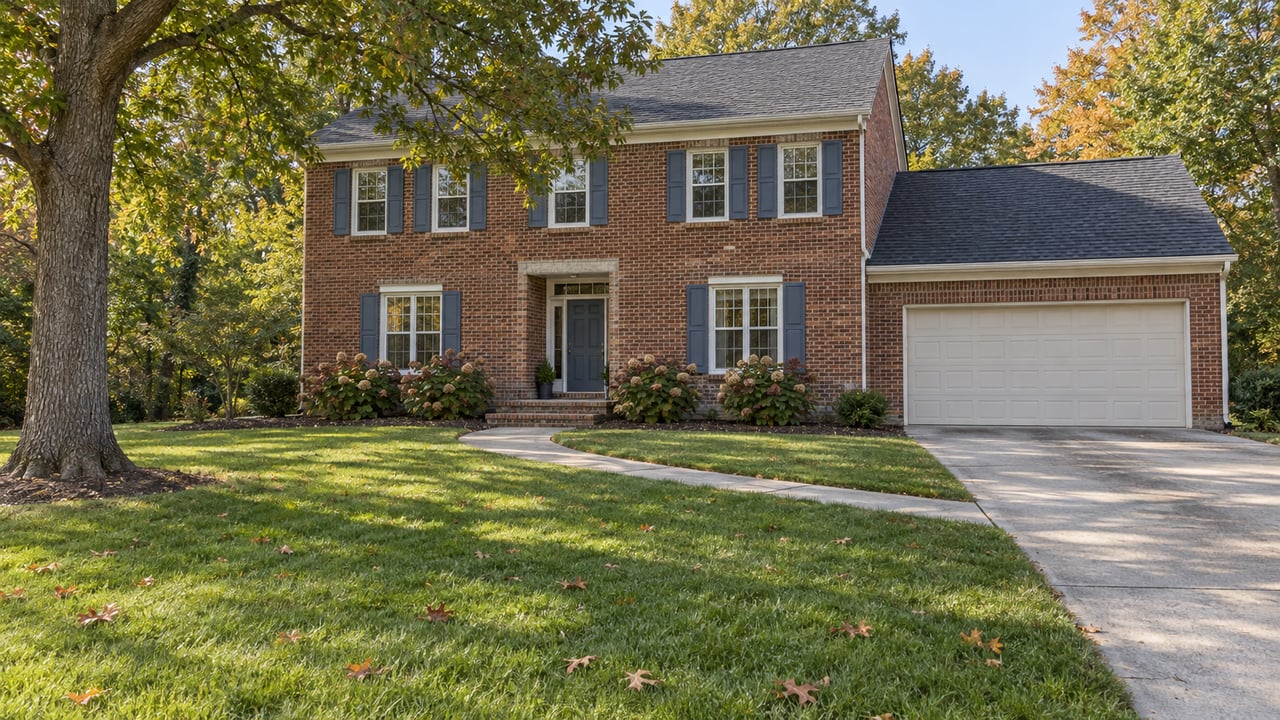
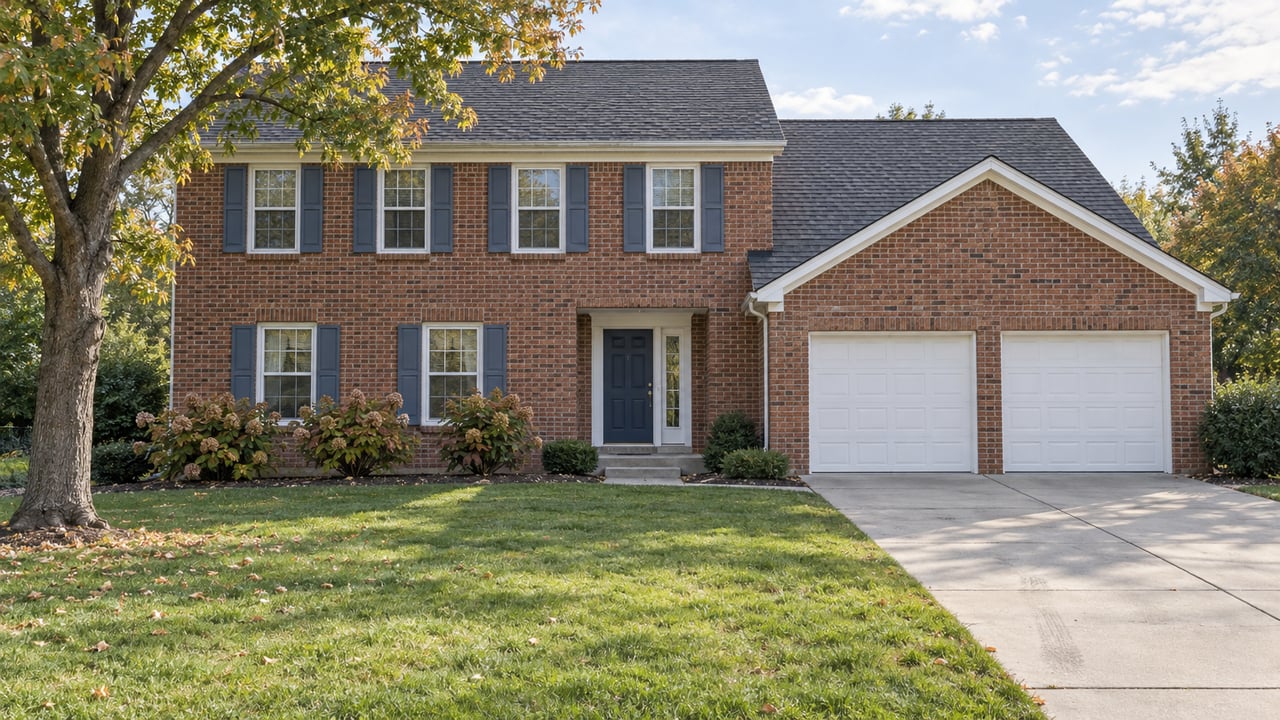
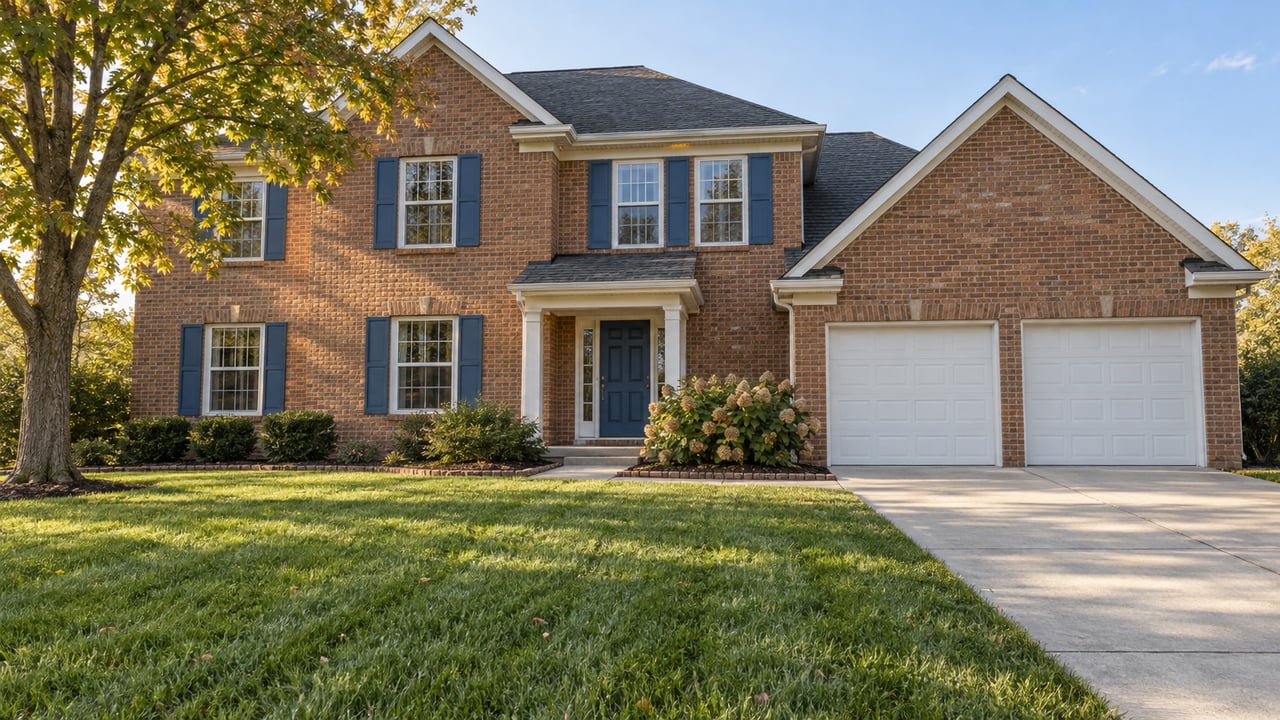
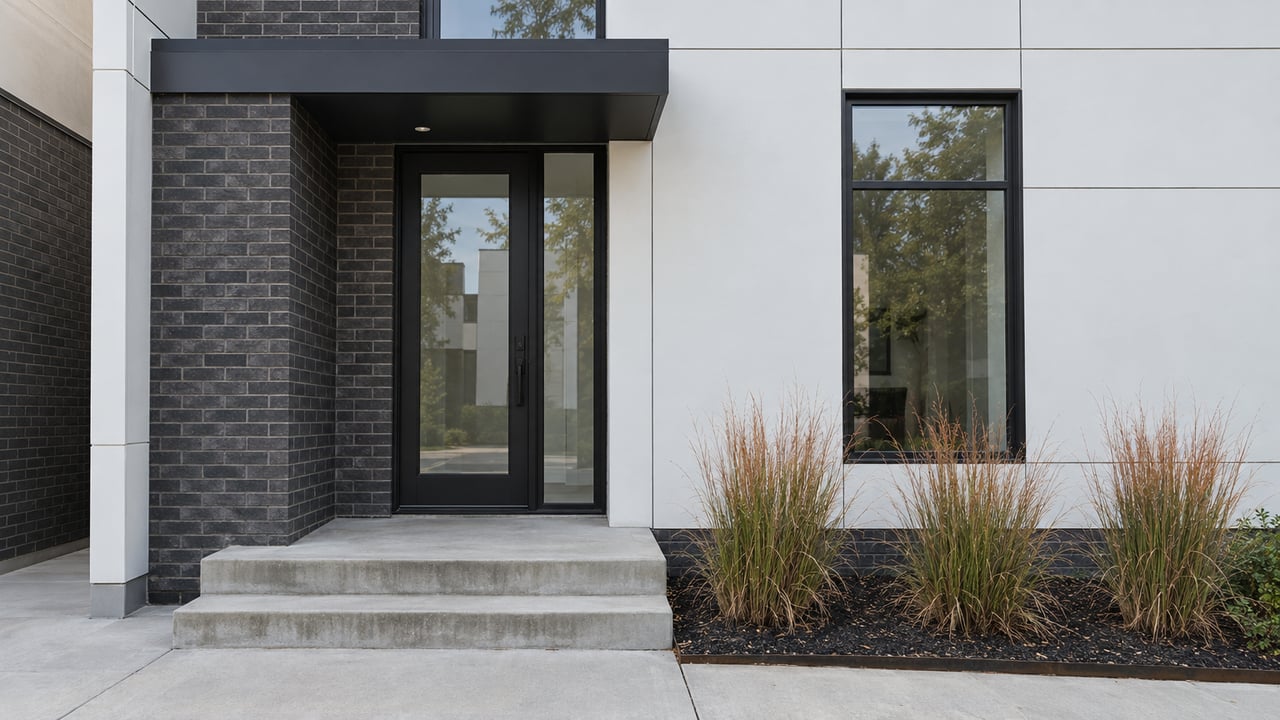
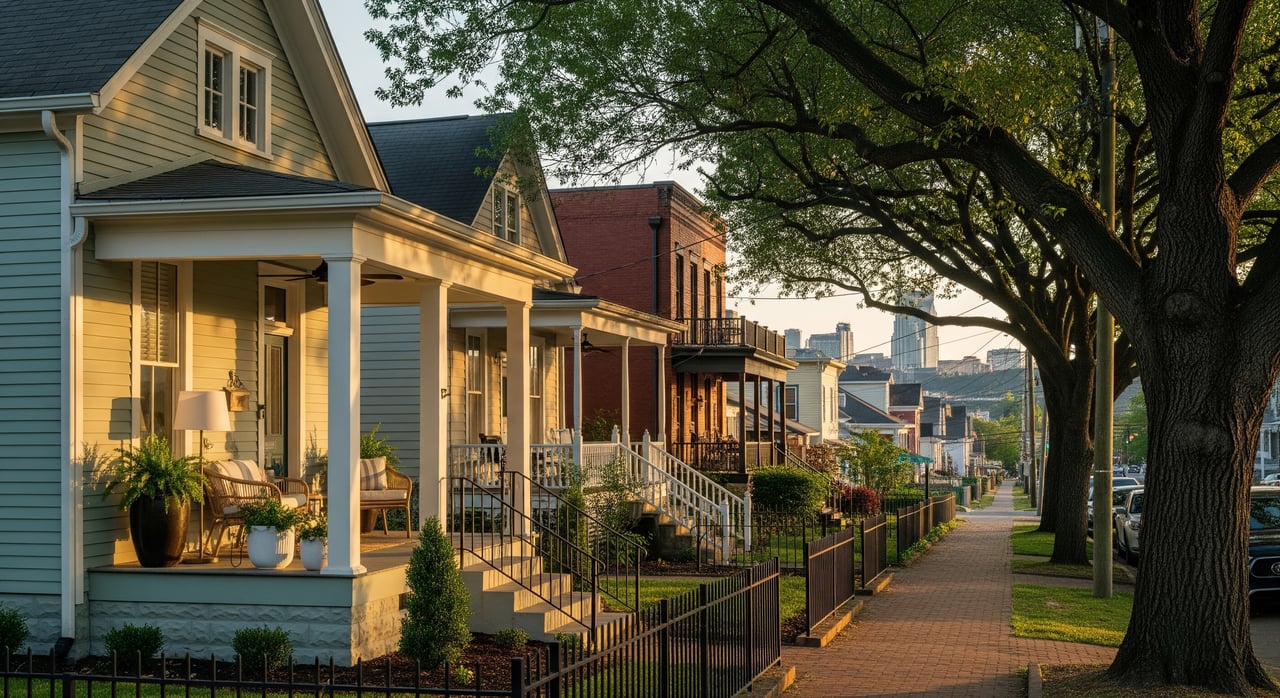
East Nashville sits just across the Cumberland River from downtown and covers a wide mix of historic blocks and newer infill. It has a well-earned arts reputation, with independent music venues, galleries, and restaurants that anchor a visible creative community. Housing options range from renovated Victorians and Craftsman bungalows to small-lot modern builds and townhomes.
Historically more affordable than some in-town areas, East Nashville has moved into mid-to-high price bands as the city has grown. Prices vary by block, and inventory shifts quickly with new construction and renovations. Commutes to downtown are typically short by car or bike, and bus routes serve the main corridors.
Micro-neighborhood map
Below are the core pockets many buyers explore first. Boundaries are informal and overlap, so use these as a practical starting point and confirm details on the specific block you’re considering.
Five Points
- Housing snapshot: Shotgun cottages, Craftsman bungalows, small multifamily conversions, renovated townhomes, and newer infill within a few blocks of the commercial node.
- Vibe and walkability: High walkability in the immediate district. Expect steady foot traffic and a lively evening scene.
- Nightlife and amenities: Dense cluster of independent restaurants, bars, and music venues. Energy runs late, which can mean noise and parking pressure nearby.
- Parks and green space: Pocket parks nearby, with larger green spaces a short bike ride away.
- Price guide: Entry-level condos/duplexes around the low-to-mid $300ks. Renovated cottages and bungalows often mid $300ks to $700k. Top-end renovations and new builds can exceed $700k.
Lockeland Springs
- Housing snapshot: Tree-lined historic streets with late-19th and early-20th-century Victorians and Craftsman bungalows. Many restorations and sensitive infill.
- Vibe and walkability: Quieter, residential character with an active neighborhood association and preservation emphasis. Walk or bike to Five Points depending on location.
- Nightlife and amenities: Restaurants and coffee on the edges, with easy access to Five Points.
- Parks and green space: Close to the Shelby Park and Shelby Bottoms greenway system.
- Price guide: Small cottages and renovated bungalows commonly mid $400ks to $800k. Larger historic homes and extensive renovations often $700k to $1.2M+.
Riverside Village and river-adjacent pockets
- Housing snapshot: Mix of small-lot new construction, historic homes, townhomes, and some apartment/condo buildings near the riverfront.
- Vibe and walkability: Recreational walkability is a draw, thanks to greenways. Daily retail may be more spread out depending on the block.
- Nightlife and amenities: Fewer concentrated nightlife spots than Five Points, but easy access to outdoor events and occasional riverside venues.
- Parks and green space: Proximity to the river, Shelby Bottoms, trails, biking, and wildlife viewing.
- Price guide: Condos and smaller units from the high $200ks to $450k. Renovated homes and new construction commonly $400k to $850k, with river access influencing value.
Shelby Park and Shelby Bottoms area
- Housing snapshot: Older bungalows mixed with newer infill. Some blocks have well-preserved historic homes.
- Vibe and walkability: Strong access to greenways and park amenities. Commercial services may be a short drive or ride.
- Parks and green space: Major city assets with trails, fields, off-leash dog areas, and river access.
- Price guide: Smaller homes and duplexes often mid $300ks to $600k. Larger renovated houses and new builds trend higher.
Inglewood, Edgefield, and other pockets
- Housing snapshot: A familiar East Nashville mix of cottages, bungalows, duplexes, and increasing townhome infill.
- Vibe and walkability: Highly variable by corridor. Some blocks feel purely residential while others line up with local restaurants and services.
- Price guide: Similar to Lockeland Springs and Shelby Park areas, with wider variance tied to lot size, renovation level, and exact location.
Buyer checklist for East Nashville
Creative buyers value proximity to venues and collaborators, but a great fit also means understanding the practical details. Use this checklist as you compare blocks and homes.
Schools and family considerations
- East Nashville is served by Metro Nashville Public Schools, and assignments depend on exact address. Boundaries can change. If schools influence your decision, verify current assignments with MNPS resources and confirm with the listing agent before moving forward.
Zoning, overlays, and renovation plans
- Some streets, including parts of Lockeland Springs and select historic districts, have preservation guidelines that affect exterior work and demolitions. Zoning also controls lot uses, setbacks, and whether duplexes or accessory dwelling units are allowed. If you plan a major renovation or new build, review zoning maps and historic guidelines early.
Flood risk and insurance
- Low-lying areas near the Cumberland River and Shelby Bottoms can fall within FEMA flood zones. This can affect mortgage requirements and insurance cost. During due diligence, check official flood maps, request elevation certificates when available, and price flood insurance.
Transit, parking, and commuting
- WeGo buses serve East Nashville, with car and bike commutes to downtown often running 5 to 15 minutes depending on traffic. Parking can be tight near Five Points and during park events. Visit at different times to evaluate traffic, noise, and parking on your target block.
Nightlife and sound
- The energy that draws you in can also be loud. If you want the vibe without the volume, target streets that sit just outside the busiest corridors. Ask about noise history and visit in the evenings and on weekends.
Short-term rentals and permits
- Nashville regulates short-term rentals with specific zoning and permit rules, and enforcement has tightened in many areas. If you are considering an income strategy involving STRs, confirm current city policies and whether a property already has a compliant permit.
Property taxes, systems, and inspections
- Property taxes are set at the Metro level and vary by parcel. Older homes may need updates to electrical, plumbing, or HVAC. Order thorough inspections, and budget for improvements if you prefer historic character.
East Nashville vs other in-town options
If you are relocating or weighing multiple in-town neighborhoods, here is how East Nashville generally compares.
- 12 South: More curated retail and a polished commercial strip, often with higher price points. East Nashville is more eclectic and artist-driven, with a wider mix of housing types.
- Germantown: Heavier redevelopment and upscale condo/loft options. East Nashville offers more single-family historic homes and a distinct independent restaurant and music scene.
- The Gulch and SoBro: Denser, high-rise living close to major downtown employers. East Nashville favors a neighborhood feel with lower-rise housing and small-business culture.
Your decision points: nightlife versus quiet, historic fabric versus modern condo living, comfort with street parking and noise, appetite for renovations, and commute preferences.
How to shop smart in East Nashville
Use a clear process to move from browsing to the right front door.
- Define your lifestyle anchors.
- List your top 5 daily needs, like a short bike to the studio, a quiet home office, or walkable coffee and groceries. This helps you target the right blocks within the right pocket.
- Align price bands with condition.
- Decide whether you want a renovated bungalow or a value opportunity that needs work. In East Nashville, price can swing widely based on renovation level, lot size, and proximity to nightlife or parks.
- Verify the rules early.
- Before you fall in love with expansion plans, check zoning, any historic overlays, and potential STR rules. Early clarity saves time and helps you write a confident offer.
- Check flood, sound, and parking.
- Pull flood maps, visit at multiple times of day, and take a realistic look at street parking. Talk with neighbors when possible to understand event-day traffic patterns.
- Compare micro-neighborhoods head-to-head.
- Tour Five Points for walkability and nightlife, Lockeland Springs for historic porches, and river-adjacent pockets for greenway access. Keep score against your lifestyle list, not only list price.
- Use targeted comps and days-on-market data.
- Because pricing is block-specific, tie your offer to recent, like-kind comps and renovation quality. Condition and finishes matter as much as square footage.
- Plan your first 12 months.
- Budget for any system upgrades and cosmetic work. If you are new to Nashville, schedule a few community events to meet neighbors and plug into the creative network.
A thoughtful plan helps you secure the right house at the right price in the right pocket.
Ready to see how these blocks live in real time? Request your personal Real Estate Concierge with CHORD Real Estate. Our boutique team on Music Row offers full-service buyer representation, relocation support, and access to on- and off-market opportunities across East Nashville.
FAQs
What is the commute from East Nashville to downtown like?
- Typical car or bike commutes run about 5 to 15 minutes depending on traffic, with bus routes serving major corridors.
How do I check if a property in East Nashville is in a flood zone?
- Review official FEMA flood maps and Metro floodplain layers during due diligence, and request an elevation certificate or insurance quote if the home is near the river or greenways.
How do historic overlays in Lockeland Springs affect renovations?
- Overlays can regulate exterior changes and demolitions, so confirm if a property sits within an overlay and review guidelines before planning additions or facade updates.
What short-term rental rules apply in East Nashville?
- Nashville requires specific permits and zoning compliance for STRs, with active enforcement; confirm the property’s permit status and current rules before pursuing an STR strategy.
What home types are most common for creatives in East Nashville?
- You will find renovated Victorians, Craftsman bungalows, duplexes, small apartment conversions, and modern infill townhomes and single-family builds.
How walkable is Five Points compared to other pockets?
- Five Points has high walkability within the commercial district, while residential streets just outside the core are quieter; other pockets vary and may prioritize greenway access over daily retail.
How should I verify school assignments for an East Nashville address?
- Check current MNPS resources for boundary details and confirm with the listing agent, since assignments can change and vary by specific address.