Real estate marketing shows pristine beaches and modern high-rises. What it doesn't show: actual daily life texture. What does grocery shopping look like? How's the coffee? Can you walk safely at night?
For investors considering Panama, whether pure investment or potential personal use, understanding daily realities matters. Lifestyle experience affects rental market quality, expat retention, and ultimately property values.
The Surprising First Impression
Most Americans expect something between a Caribbean resort town and a developing-nation capital. What they find surprises them.
Steve Luther's first reaction: "Flying into Panama City, the skyline looked like Miami. Skyscrapers, obvious economic activity, not what we'd imagined a Central American capital would look like."
This juxtaposition, expecting a developing nation, encountering a modern city, frames the Panama experience. Yes, it's Latin America with Spanish as the primary language. But infrastructure and conveniences exceed most American expectations.
Shopping Reality Check
Grocery Stores:
The range surprises Americans:
High-End (Riba Smith): Imported US brands, organic options, specialty foods. Think Whole Foods equivalent at comparable or higher prices for imported items.
Mid-Range (Super 99, El Rey): Mix of local and imported products at affordable prices. These feel similar to standard US grocery stores with Latin American product mix.
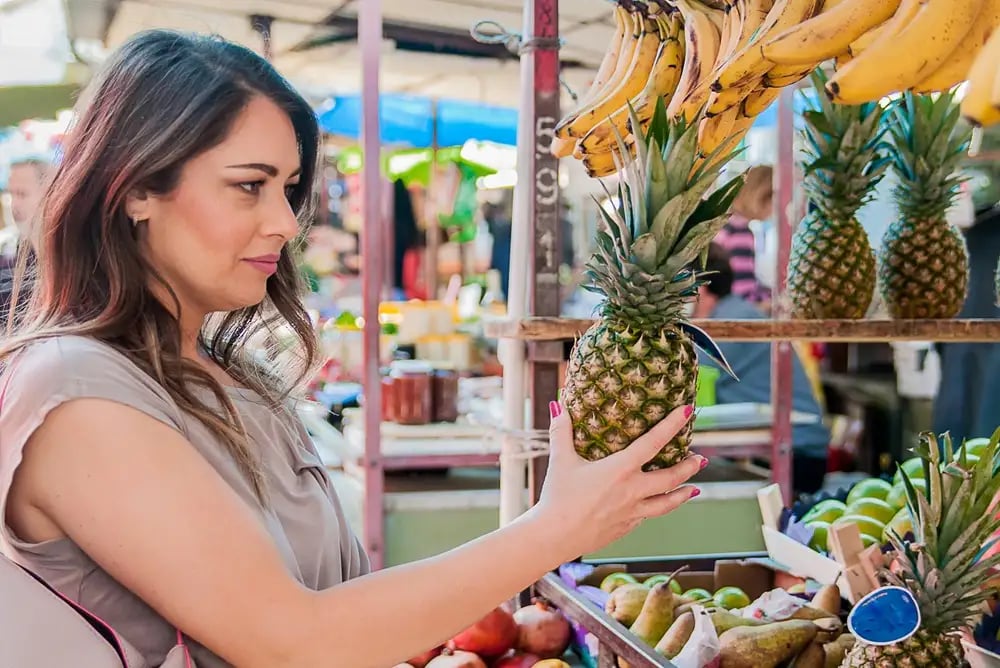
Local Markets: Fresh produce, fish markets, roadside stands offer dramatically lower prices. Trucks selling pineapples and avocados for a fraction of grocery costs are common.
Smart Strategy: Most expats shop multiple places: high-end stores for specific US brands they can't live without, mid-range for staples, local markets for produce. This significantly lowers costs while maintaining quality.
Major Retail:
Panama City malls rival quality shopping anywhere:
Multiplaza: High-end shopping with Carolina Herrera and international designers matching upscale US malls.
Albrook Mall: One of Latin America's largest malls with hundreds of stores including major US chains. More affordable than Multiplaza but impressive selection.
Restaurant Scene
Range and Quality:
Panama City competes with major US cities:
High-End: Casco Viejo houses numerous upscale restaurants: innovative cuisine, excellent wine lists, beautiful settings. Expect $35-60 per person.
Mid-Range: Excellent local restaurants throughout the city offer everything from Panamanian traditional to international cuisine. Quality meals for $10-20 per person.
Local (Fondas): Neighborhood restaurants serve traditional food for $5-10. Authentic and filling, if not fancy.
Cultural Mix: Strong international presence means excellent sushi, Italian, Mediterranean, and Asian fusion, not limited to local cuisine.
Safety Considerations
The Real Picture:
Panama's safety profile surprises Americans raised on Latin American crime stereotypes:
Tourist Areas: Casco Viejo, Panama City financial district, and major beach communities are genuinely safe. Violent crime against tourists and expats is rare.
That Car Story: Remember Steve's agent leaving his SUV running with doors open while showing them around? That's real. Crime rates in expat-frequented areas are remarkably low.
Common Sense: Like any major city, certain neighborhoods should be avoided. Don't flash expensive jewelry. Don't leave valuables visible in cars.
The Contrast: Many expats from major US cities find Panama City feels safer than their home cities. Lower violent crime rates and generally peaceful atmosphere contribute to this perception.
Language Reality
Spanish Dominance: Spanish is the official language, and in many situations, it's the only option: local restaurants, utilities, neighborhood interactions outside tourist zones.
English Availability:
That said, English is more common than most Latin American countries:
Business settings, international companies, banks often operate in English
Major hospitals have English-speaking staff and doctors
Real estate agents, attorneys serving expats commonly speak English
Tourism areas usually have English-speaking staff available
Large expat community means English social networks exist
Should You Learn Spanish?
Absolutely. Even basic Spanish dramatically improves daily life, opens better services and prices, and demonstrates cultural respect. But inability to speak fluent Spanish shouldn't prevent Panama exploration: infrastructure exists to support English-speakers.
Climate Truth
The Heat: Panama is tropical. Hot and humid year-round in coastal areas. Panama City averages 80-90°F daily with high humidity.
Rainy Season (May-November): Afternoon showers common but rarely all-day. Typical pattern: sunny mornings, clouds build afternoon, heavy rain 1-3 hours, then clears.
Dry Season (December-April): Beautiful weather, less rain, consistent sunshine. High season for tourism and visiting snowbirds.
Elevation Escapes: Mountain regions (Boquete, El Valle) offer genuine escape: 70-80°F year-round, lower humidity. Many Panama City residents own mountain properties for weekend retreats.
Adaptation: Most Americans adapt within weeks. Air conditioning is standard. Learning to embrace slower pace during hot afternoons becomes second nature.
The Expat Community
Panama hosts substantial expat communities: Americans, Canadians, Europeans, South Africans and other Latin Americans. This creates built-in social networks and support systems.
Social Activities:
Beach Communities: Yacht clubs, golf courses, organized events, expat restaurants and bars
Panama City: International cultural events, art galleries, theater, live music, networking groups
Mountain Towns: Boquete is famous for active expat community: hiking groups, volunteer organizations, bridge clubs, craft breweries
Finding your people is generally straightforward within the diverse expat community.
Cost of Living Nuance
Marketing Claims: "Retire on $2,000 per month!" "Live better for less!"
Nuanced Truth:
Costs vary dramatically based on lifestyle:
Frugal Couple: $2,000-$2,500 monthly: local restaurants, mid-range groceries, public transportation, smaller apartment
Comfortable Expat: $3,500-$5,000 monthly: nice apartment, mix of restaurants, some imported goods, Uber, entertainment
High-End: $6,000+ monthly: luxury apartment, fine dining, imported products, car, domestic help
The Comparison: Same lifestyle costing $6,000/month in Panama might require $9,000-12,000 in major US cities. Savings are real, but not the 70% reductions sometimes marketed.
What This Means for Investors
Better lifestyle = better tenant pool = higher rents and lower vacancy. Expats who love the lifestyle stay longer, creating stable rental income. Areas with strong lifestyle appeal maintain property values better than pure investment markets.
Even pure investors benefit from the option to personally use properties. Strong lifestyle appeal makes that option valuable.
Experience Panama lifestyle firsthand
Invest Panama Summit | May 28-30, 2026
[email protected] | 615.988.1001