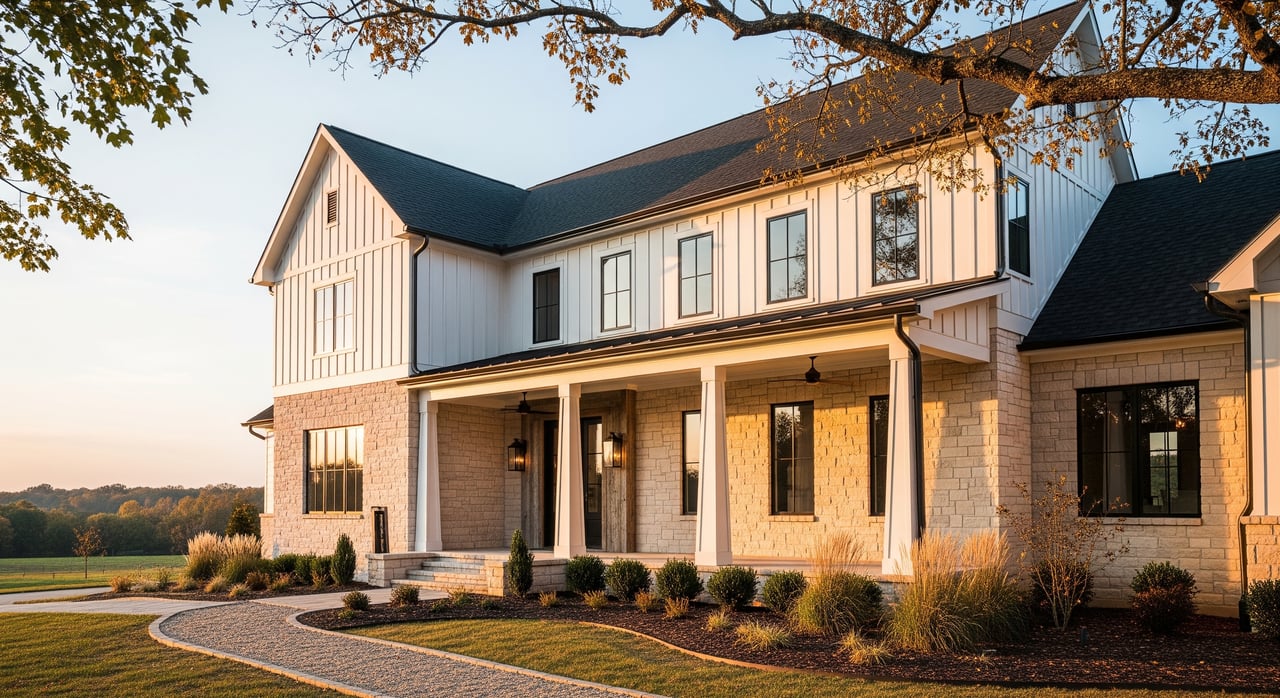
Are you weighing a brand-new home in Nolensville but unsure where to start? You want the right floor plan, a smooth build, and confidence that your contract protects you. This guide gives you a clear path through product choices, timelines, contracts, inspections, and warranties so you can buy with certainty. Let’s dive in.
Why Nolensville new construction
Nolensville sits within the greater Nashville commuter belt and has grown quickly, which means you will find many master-planned subdivisions with active building. Expect homeowners associations, design guidelines, and ongoing construction nearby as neighborhoods build out. Families often look for proximity to parks, trails, and Nolensville’s small historic core while considering commute times to Williamson and Davidson County job centers.
Williamson County Schools serve the area. Because school attendance boundaries can change as populations shift, verify zoning for any specific parcel before you sign a contract. This helps you avoid surprises and aligns your choice with your priorities.
Product types and plans
Most Nolensville new builds are single-family homes designed for everyday flexibility. You will commonly see 3 to 5 bedrooms and 2 to 4 bathrooms, often in two-story plans with open kitchens, dining, and family rooms. First-floor owner suites are widely available, and many plans include a mudroom by the garage, a flex room for a home office, and a bonus room or loft.
Outdoor living remains a focus. Covered rear porches and practical backyard transitions are common, and many builders offer design packages for kitchens, baths, and storage. You can often add an extra bedroom, reconfigure a primary bath, or finish a bonus space to match your lifestyle.
Lots, orientation, and privacy
Lot sizes vary across communities. Many subdivisions offer standard single-family lots with roughly 50 to 80-foot widths and about 0.15 to 0.45 acres. You may also find smaller village-style lots or occasional larger pockets at 0.5 acres or more.
Lot placement matters for your day-to-day life. Consider distance to arterial roads, how future phases could affect noise and privacy, and backyard orientation for sun and shade. Ask for site plans and grading details, and review recorded plats and floodplain maps when relevant to understand drainage and stormwater systems.
Energy and safety features
New homes in Nolensville often include efficient HVAC systems, better insulation, LED lighting, and smart thermostats. Some builders offer ENERGY STAR options and rough-ins for EV charging, depending on the plan. Safety features typically include hardwired smoke and carbon monoxide detectors and security pre-wiring, with smart-home upgrades available.
Your purchase path
You have three practical routes to a new home:
- Buy a spec or quick-move-in home. This is the fastest path because the home is complete or near completion.
- Choose a builder plan and lot. You select the floor plan and options, then build to order with more customization.
- Buy a lot and hire a builder. This provides the most control, but also the most complexity in financing, contracts, and oversight.
Discuss your timeline, customization needs, and budget to choose the right approach. You can also compare negotiation potential, which is often strongest on spec homes or models.
Timeline and milestones
Timelines vary by builder capacity, permits, weather, and materials. As a rule of thumb, expect 30 to 60 days from contract to close on a completed spec home, assuming financing and title are ready. For a build-to-order home, anticipate 6 to 12 months from contract to completion.
Key drivers of delays include municipal inspections, weather during site work and framing, lead times on windows and appliances, subcontractor scheduling, and buyer change orders. Ask each builder for their recent on-time completion history and request a milestone schedule in your contract. Plan a 30 to 60-day cushion after your expected move date for punch-list work and final corrections.
Permits and inspections
New construction typically follows a predictable sequence of permits and inspections. Expect approvals for grading and erosion control, foundation, framing, mechanicals, insulation, and a final Certificate of Occupancy. You can request to be notified of inspection dates so you or your inspector can attend key checkpoints.
Ask for a written list of required inspections. Clarify who attends each inspection, how results are communicated, and how corrections are handled. Document progress with photos and notes at major milestones.
Contracts and change orders
Builder contracts should spell out your base price, included options, and allowances for items like lighting or appliances. Lot premiums and site costs often appear as separate line items. Clarify what is included versus a paid upgrade before signing.
Many contracts list an estimated completion date rather than a hard deadline. Review language around delays and remedies, and understand whether liquidated damages are included. Confirm the change-order process, pricing, and how changes affect your completion date.
Incentives and negotiation
Builders may offer closing cost help, rate buydowns with preferred lenders, design-center credits, or lot premium reductions, particularly on spec homes or later phases. Always verify whether incentives require you to use a preferred lender or close by a specific date. Ask for all incentives in writing and confirm what happens if your closing timeline shifts.
Financing options
Your financing will depend on the type of purchase:
- Spec home mortgage. You use a standard conventional loan at closing.
- Construction-to-permanent loan. One closing, then the loan converts to a standard mortgage when the home is complete.
- Two-loan approach. A short-term construction loan followed by a separate mortgage, which means two closings.
Construction loans often require a higher down payment and may carry higher rates during the build. Lenders release funds in draws after inspections verify progress. Compare offers from lenders experienced with new construction in the Nashville metro and confirm how builder incentives apply.
HOAs, CC&Rs, and amenities
Most Nolensville subdivisions include recorded covenants, conditions, and restrictions along with an architectural review committee. These set rules for exterior changes, accessory structures, and landscaping. Ask for the full HOA documents, fee schedules, and the anticipated timing for amenities such as sidewalks, pools, or clubhouses.
Community features are often delivered in phases. Streetscapes, landscaping, and shared spaces may lag early move-ins until the neighborhood stabilizes. If an amenity is important, confirm the phase and target delivery date in writing.
Walk-throughs and inspections
Plan for at least two walk-throughs. A pre-drywall walk lets you see framing and the placement of electrical, plumbing, and HVAC before they are covered. The final walk happens before closing to build your punch list. Many builders also offer a post-move visit within 30 to 60 days.
During walks, test all systems and finishes. Check HVAC cycles, hot water delivery, GFCIs, window and door operation, and garage doors. Review grading and drainage, gutters and downspouts, paint and trim, flooring, cabinets, countertops, and exterior items like sod or fencing. Document everything with dated photos and a written punch list submitted per the contract.
Warranties and after-care
Most builders follow a version of the 1–2–10 model. Workmanship and materials are often covered for 1 year, major systems like HVAC, plumbing, and electrical for up to 2 years, and structural components for up to 10 years. Coverage varies by builder, so read the warranty document closely.
Submit service requests through the builder’s warranty portal, form, or email as specified. Keep copies of every request and response with dates and photos. If issues are not resolved, follow the dispute resolution path in your contract, which can include mediation or arbitration, and know your options with state consumer protection channels.
Practical buyer checklist
Use this quick list to stay organized:
- Verify school zoning for the specific parcel you are considering.
- Request a written inclusions list, allowances, and the spec sheet before signing.
- Ask for the builder’s recent on-time completion record and a milestone schedule.
- Confirm the permit and inspection sequence and whether you can attend key inspections.
- Compare financing structures and interest-rate options; confirm any preferred-lender requirements tied to incentives.
- Have an experienced buyer’s agent or real estate attorney review the contract, including completion dates, change orders, warranty terms, dispute resolution, and deposit language.
- Schedule pre-drywall and final walk-throughs, and consider a third-party inspector.
- Review HOA documents, fees, and amenity timelines for the community.
- Obtain the builder’s warranty document and service-request process in writing.
- Ask about energy-efficiency features, appliance brands, and any potential incentives for higher-efficiency equipment.
How CHORD helps you buy smart
You deserve a clear, calm process from first tour to keys. A concierge-style approach keeps your interests front and center, from comparing plans and lots to negotiating incentives and tracking milestones. With relocation experience across Middle Tennessee, you get straightforward guidance on commutes, HOA rules, and neighborhood build-out.
If you are ready to explore new construction in Nolensville, we are ready to help you move with confidence. Request your personal Real Estate Concierge through CHORD Real Estate.
FAQs
What should I know about Nolensville commutes when buying new construction?
- Model your daily route from the specific neighborhood, accounting for peak traffic on Nolensville Road and nearby arterials into Williamson and Davidson County job centers.
How long does a build-to-order home usually take in Nolensville?
- Most buyers see 6 to 12 months from contract to completion, with weather, inspections, materials, and change orders as the main factors that affect timing.
Do most new Nolensville communities have HOAs and design rules?
- Yes, expect HOAs with CC&Rs and architectural review that guide exterior changes, landscaping, and amenity timing; review all documents and fees before you sign.
What inspections should I attend during construction?
- The most useful checkpoints are the pre-drywall walk to verify rough-ins and the final walk to build the punch list; ask to be notified of municipal inspections as well.
How do builder incentives work on new construction?
- Common incentives include closing cost help, rate buydowns, and design credits, often tied to using a preferred lender or closing by a certain date; get terms in writing.
What does a typical new-home warranty cover?
- Many builders use a 1–2–10 structure covering workmanship for 1 year, systems for up to 2 years, and major structural items for up to 10 years; confirm exact terms in your contract.