"You're near the party but not in the party."
The quote above comes from Garden & Gun, where hotelier Róbert LeBlanc described the pitch for The Chloe Nashville, the 19-room boutique hotel that opened the week of January 5, 2026, tucked into two Craftsman cottages on Acklen Avenue. It's a good line for the hotel. It's an even better description of what's actually changed in Hillsboro Village this year, because the honest answer is: less than you'd think, and more than you'd guess, depending on which block you're standing on.
The three-block strip between Vanderbilt and Belmont has absorbed a boutique hotel and an upscale restaurant-and-bar concept without losing a single one of the businesses that make it feel like Hillsboro Village. That's the part worth sitting with. Neither addition replaced something residents already relied on. Both filled gaps the neighborhood didn't know it had.
The cottages that used to write songs now serve breakfast
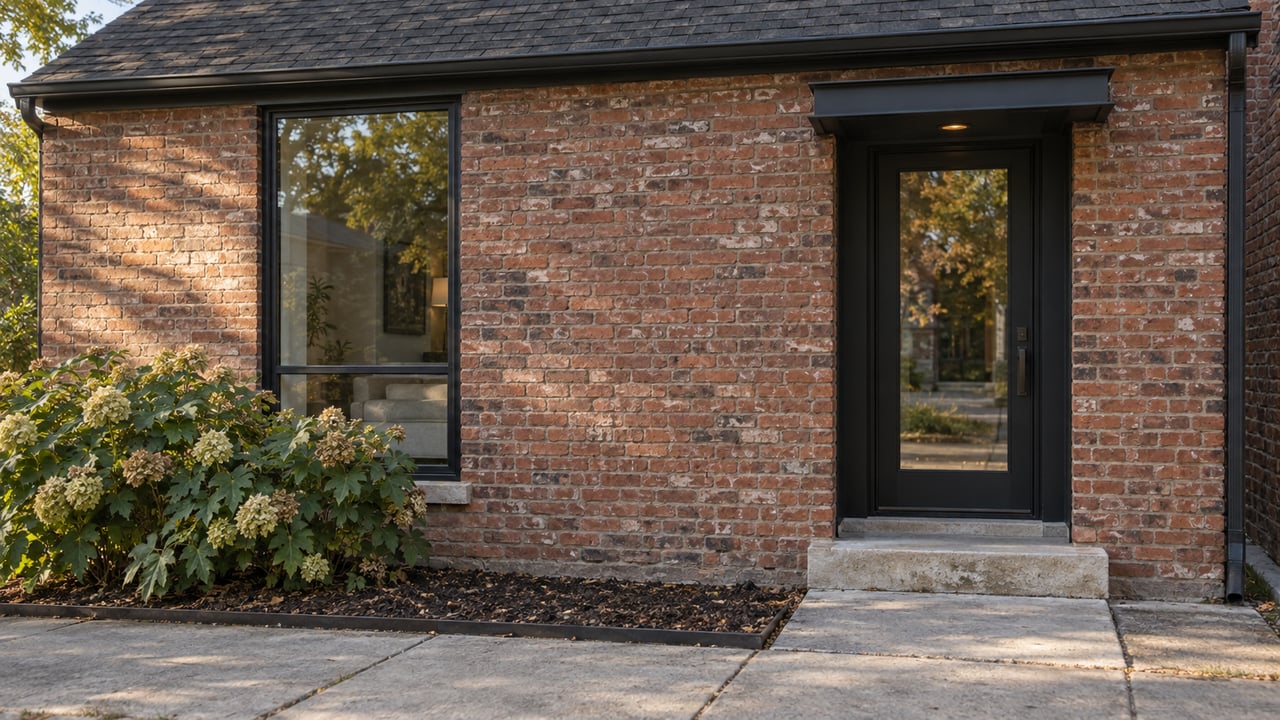
The Chloe sits at 1906 Acklen Ave, inside two restored 1920s Craftsman buildings that once housed Asylum Records and Spirit Music, the labels behind songs from Joni Mitchell, Bob Dylan, Chris Stapleton and George Jones. LeBlanc + Smith, the New Orleans hospitality group behind Barrel Proof, spent years scouting Nashville before settling on this address specifically because the bones and the music history lined up with what they'd already built on St. Charles Avenue.
The hotel's restaurant is run by chef Matt Regan, previously of Sylvain and Emeril's in New Orleans, and the menu leans on Gulf Coast seafood folded into East Tennessee cooking. The bar program comes from Jason Sorbet, beverage director at Barrel Proof, built around Tennessee whiskey rather than imported New Orleans habits. Interior designer Sara Ruffin Costello, who also did the original Chloe in New Orleans, kept the coffered ceilings and salvaged wood floors intact rather than gutting the cottages for something more generic.
None of that required demolishing anything Hillsboro Village had grown used to. The Craftsman cottages had sat as record label offices, not restaurants or retail, so their conversion added square footage to the neighborhood's food and drink scene without subtracting a storefront from it.
A pool that isn't built for hotel guests only
Here's the detail that's easy to miss if you're not looking for it: The Chloe's pool is open to the public. Guests staying overnight get pool access as part of their stay, but so does anyone else, through day passes or seasonal memberships. The pool deck comes with shaded loungers, food and drink service brought to your chair, and changing areas, all without requiring a room reservation.
That's a genuinely new category of amenity for this stretch of Nashville. Hillsboro Village has never had a public pool. Vanderbilt and Belmont students have campus access to their own facilities, but a walkable, drop-in pool with a full bar attached didn't exist here before January. Whether or not you ever use it, it changes what a Saturday in the neighborhood can look like in a way that a new restaurant, on its own, wouldn't.
Twenty First filled a room that had already gone quiet
The other significant change on the strip predates The Chloe by more than a year, but it's part of the same pattern. Twenty First, an upscale American restaurant from Just One More Hospitality Group, opened at 1602 21st Ave S in the building that used to house KayBob's Grill and Ale and, before that, H-Cues Upstairs Pool Room.
The concept splits the building in two. Downstairs seats 116 for quieter dinner and brunch service built around fresh, farmer-sourced ingredients. Upstairs seats 130 and runs differently, with DJs and a "reverse happy hour" that kicks off at 10pm for people who work in restaurants and bars themselves and are just getting off shift when everyone else is heading home. Managing partner Heather Karst has said the goal was a place people come back to for no occasion at all, not just birthdays and anniversaries.
Like The Chloe, Twenty First didn't displace an active competitor. KayBob's and H-Cues had already closed before the space changed hands. What Twenty First actually did was take an empty building on a heavily trafficked block and give it a late-night use the neighborhood hadn't had in that specific spot in years.
What didn't move at all
Walk the rest of 21st Avenue and the picture looks almost unchanged. Pancake Pantry has been serving the same brick-paved corner since 1961 and still draws a line on weekend mornings. The Belcourt Theatre, open since 1925, is still running its mix of new arthouse releases and archival prints. Its late-September calendar this year includes a 35mm screening of Preston Sturges's 1941 comedy "The Lady Eve" alongside brand-new 2026 releases, the same split between old and new that's defined its programming for a century.
Fido is still the coffee stop. Bookman/Bookwoman and Davis Cookware and Cutlery are still the kind of independent shops where the person behind the counter has been there for years and can answer a question about a cast iron pan or a first-edition paperback without looking anything up. The Villager Tavern is still the neighborhood's dive bar option, and the Grilled Cheeserie Melt Shop and Hopdoddy Burger Bar, both relatively recent additions in their own right, are still doing steady business a few doors down from Pancake Pantry.
None of these had to compete with The Chloe or Twenty First for survival. They occupy different footprints and serve different parts of a resident's week. A hotel pool doesn't compete with a Tuesday coffee run. A late-night industry bar doesn't compete with a Sunday matinee.
Reuse, not replacement
The pattern across both projects is adaptive reuse rather than new construction, and that distinction matters more than it sounds like it should. The Chloe didn't clear a lot and build a tower. It renovated two houses that were already standing and already had a story attached to them. Twenty First didn't tear anything down either. It walked into a building that had already gone dark and turned the lights back on.
That's a specific kind of growth. It's the kind that can add a public pool and a late-night bar to a three-block strip in under two years without any of the neighborhood's longstanding businesses losing their lease to make room. Hillsboro Village's commercial footprint is genuinely small, a few blocks of storefronts wedged between two university campuses, and there's a version of growth that would have squeezed out Pancake Pantry or the Belcourt to make way for something with a better margin. That's not what happened here. What happened was two buildings that had already emptied out got a second use, and the neighborhood picked up amenities it never had rather than losing ones it already leaned on.
If you live within walking distance of 21st Avenue, the practical version of all this is simple. There's a pool you can drop into on a Saturday afternoon without owning a room key. There's a late-night bar option if you're the type who's still awake at 10pm and wants a cocktail instead of a bar close. And every single thing that made the neighborhood recognizable a year ago is still exactly where you left it.
If you're thinking about what a neighborhood like this means for your own next move, whether that's buying into it, selling out of it, or just understanding what your money would actually get you a few blocks off 21st Avenue, CHORD Real Estate knows this stretch of Nashville block by block. Request your personal Real Estate Concierge and we'll walk you through it.