Steve Luther was pronounced brain dead for four days.
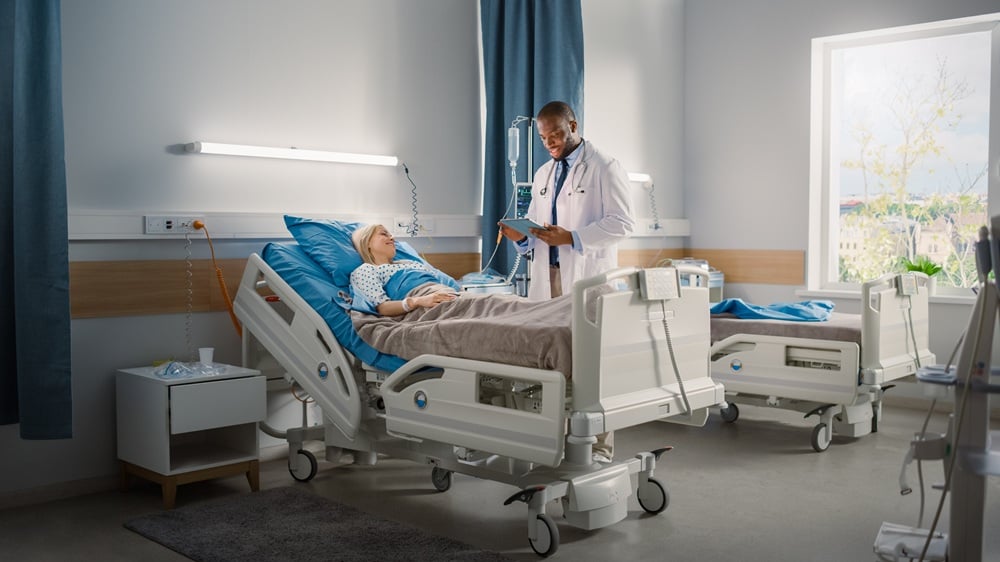
His wife Ashley sat in a Nashville hospital while doctors explained her husband likely wouldn't survive. He'd been on a ventilator for months with COVID complications. The prognosis was grim.
"I was actually pronounced brain dead for four days," Steve recalls. "So it was a little rough."
He survived. Barely. Four and a half months in the hospital total. The experience fundamentally changed how CHORD Real Estate evaluates international investment opportunities.
The Before Picture
Pre-COVID, the Luthers were typical American investors exploring international real estate for lifestyle reasons. They'd traveled the Caribbean extensively with their kids, visiting different islands to find potential vacation property locations.
"We had it narrowed down to St. Lucia and Grenada," Steve explains. "We were doing a lot of international travel, and we thought, let's see what it would look like for us to buy something in the Caribbean just as a place to home base."
The criteria were standard: beautiful beaches, good weather, appealing vacation destination. Healthcare infrastructure wasn't on the evaluation checklist.
The Realization
"So we got out of the hospital and we realized, man, if we had been on just some small island, it may not have turned out so well."
That realization wasn't theoretical. Steve's survival required sophisticated medical intervention available only in major medical centers. A Caribbean island clinic couldn't have managed his case.
"Healthcare for us personally was a bigger consideration," Steve notes with understatement. The priority list was completely reorganized. Beautiful beaches dropped down. Medical infrastructure shot to the top.
The Research Pivot
The Luthers started over with new criteria: "Where can we get that tropical vibe that we want, but it's still pretty developed and they have great healthcare?"
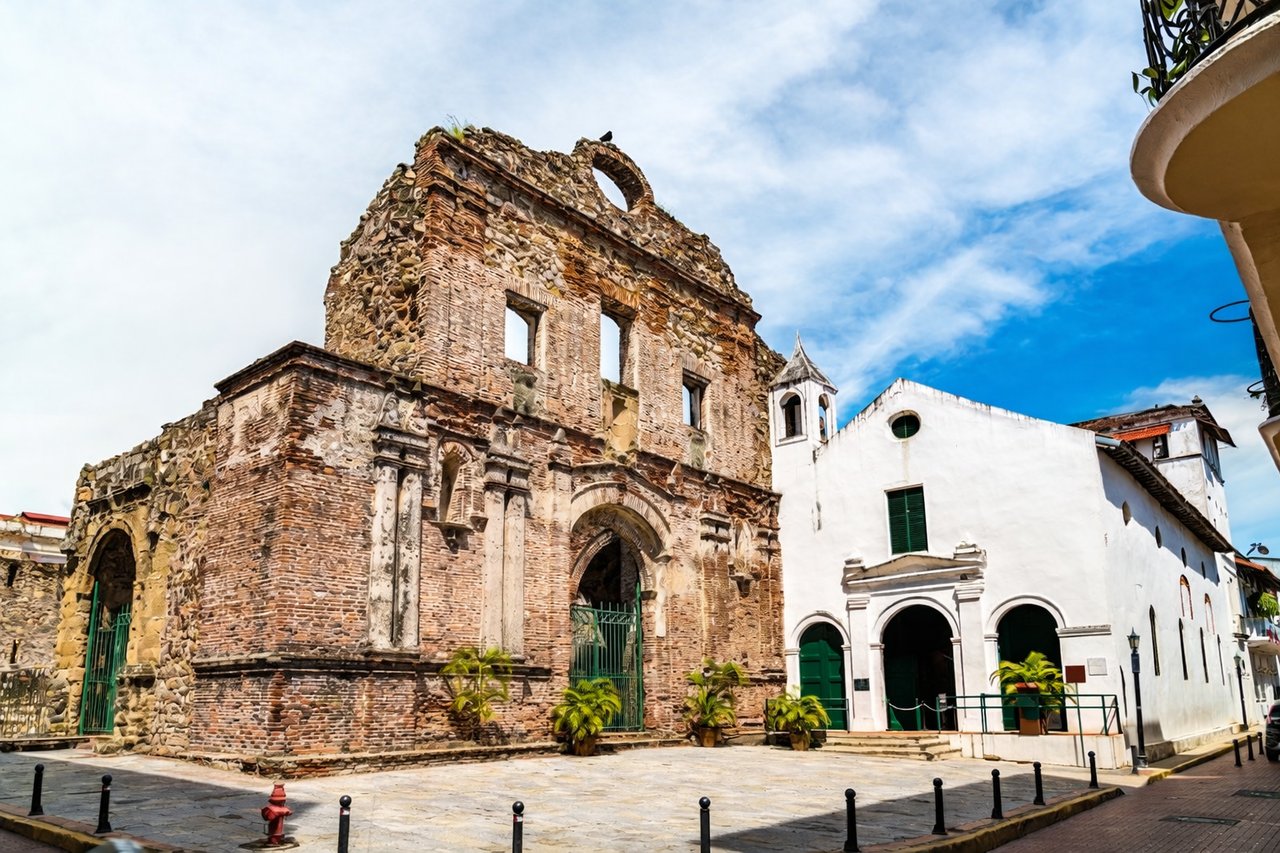
Panama emerged immediately. Research revealed Johns Hopkins affiliate hospital, Mayo Clinic presence, and billion-dollar medical city under construction. The healthcare infrastructure rivaled major US cities while maintaining the tropical lifestyle they sought.
"So that kind of led us personally to Panama," Steve explains.
What They Discovered
Panama's healthcare exceeded expectations: "There's a Johns Hopkins in Panama. There's a Mayo Clinic. They do a ton of stem cell therapy. A lot of the American athletes and celebrities go down to Panama for stem cell therapy."
The facilities weren't adequate, they were world-class. "Extremely well-developed. Still very inexpensive relative to American healthcare prices, but they've got an incredible hospital system and they can handle anything down there just like they could here in America."
The Investment Implication
This healthcare focus influences every recommendation CHORD makes to clients. While many investors prioritize rental yields or appreciation potential, CHORD emphasizes healthcare infrastructure as fundamental requirement.
For retirees, the logic is obvious. But even younger investors benefit. Health crises don't schedule themselves around age or planning. Having access to quality emergency care, specialists, and modern facilities protects both personal wellbeing and property investment.
Properties in countries with poor healthcare infrastructure carry hidden risk. Medical evacuation costs, limited care options, and potential for catastrophic outcomes affect more than personal safety, they impact investment decisions around personal use and eventual retirement planning.
The Broader Lesson
Steve's experience taught a lesson applicable beyond healthcare: theoretical risks become very real very quickly.
"You never want to think about America losing the reserve currency status, but historically, it's probably going to happen at some point. That can change things drastically."
The same thinking that prioritizes healthcare infrastructure applies to economic diversification, political stability, and geographic optionality. Plan for scenarios you hope never materialize.
Why This Matters for Clients
CHORD's Panama focus isn't arbitrary. It reflects hard-won understanding that certain fundamentals, healthcare chief among them, aren't negotiable regardless of how attractive other factors appear.
The Luthers could have chosen cheaper markets with better beach access but inferior medical care. They didn't. Their personal experience taught them some risks aren't worth taking at any price.
Learn more about Panama's healthcare infrastructure
Invest Panama Summit | May 28-30, 2026
[email protected] | 615.988.1001