Torn between Green Hills and Forest Hills in 37215? You are not alone. These two south‑side Nashville areas share a zip code but offer very different lifestyles. In this guide, you will see how they compare across lot size, housing styles, walkability, commute, utilities, zoning, and resale. You will also get buyer checklists and real‑world scenarios to help you choose with confidence. Let’s dive in.
Quick comparison at a glance
- Character and setting: Green Hills is an established urban neighborhood within Metro Nashville with a strong retail corridor. Forest Hills is an incorporated city that preserves a low‑density, wooded feel with estate‑scale parcels.
- Price positioning: Forest Hills typically sits higher on the pricing spectrum due to larger lots and privacy. Green Hills spans more entry and move‑up options alongside luxury homes.
- Lot size and density: Forest Hills often features 1+ acre lots and tree‑canopied settings. Green Hills ranges from condos and townhomes to single‑family lots of modest to moderate size, with some denser pockets near shopping.
- Lifestyle and walkability: Green Hills offers easy access to restaurants, services, and The Mall at Green Hills. Forest Hills is quieter and more residential with limited commercial nodes.
- Governance: Green Hills follows Metro Nashville zoning. Forest Hills has its own municipal priorities that protect rural character, including stricter landscape and lot controls.
Housing and lot patterns
Green Hills gives you variety. You will find condos and apartments, mid‑century ranches suitable for renovation, new infill townhomes, and high‑end custom homes. That variety creates options at different price points and for different maintenance needs.
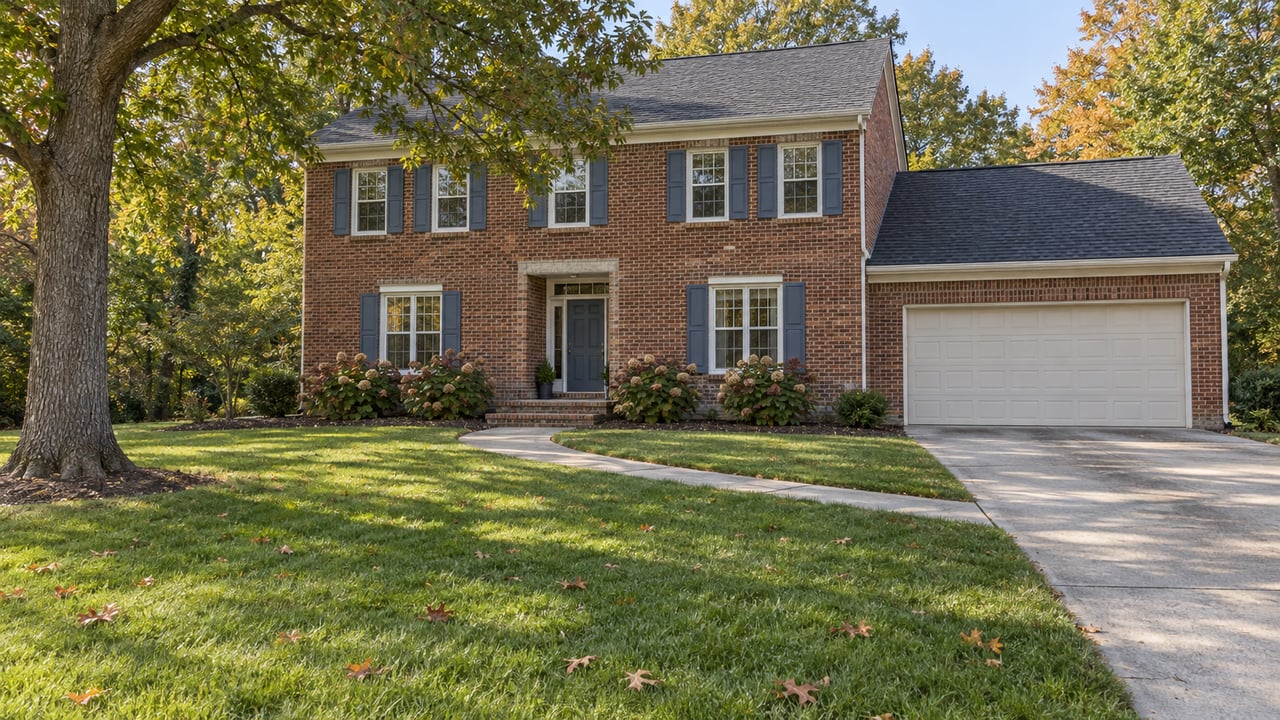
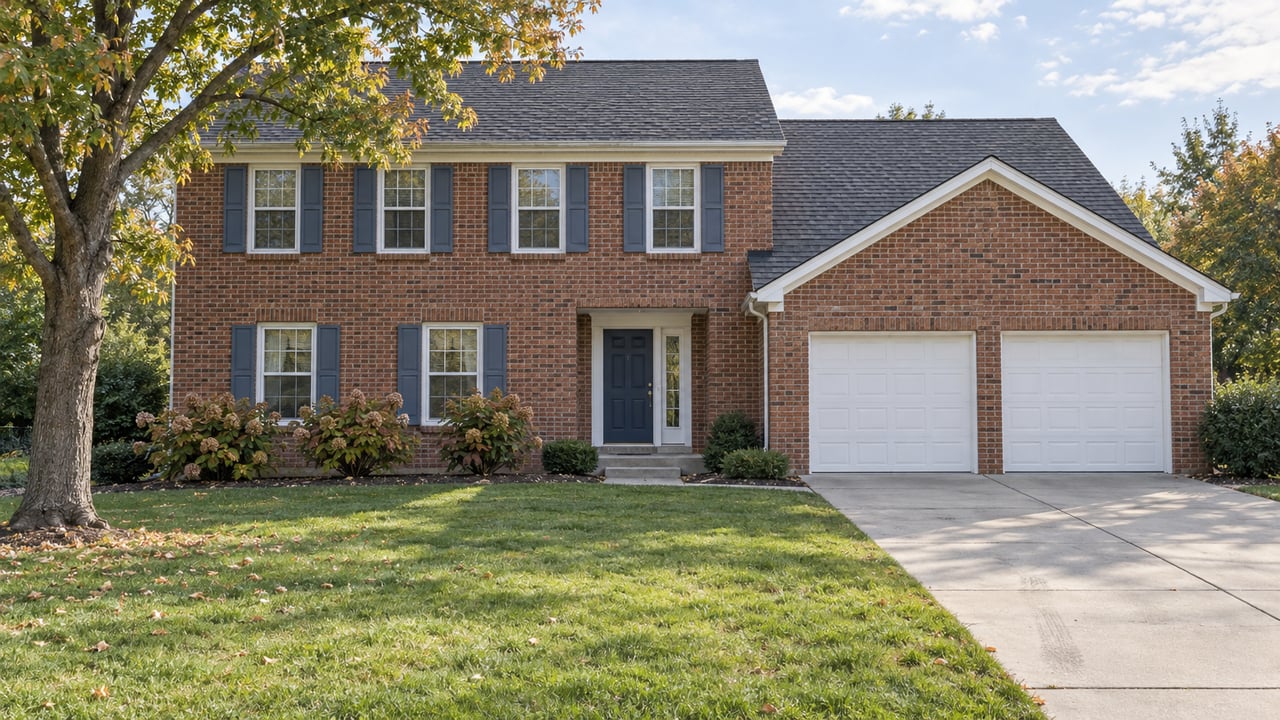
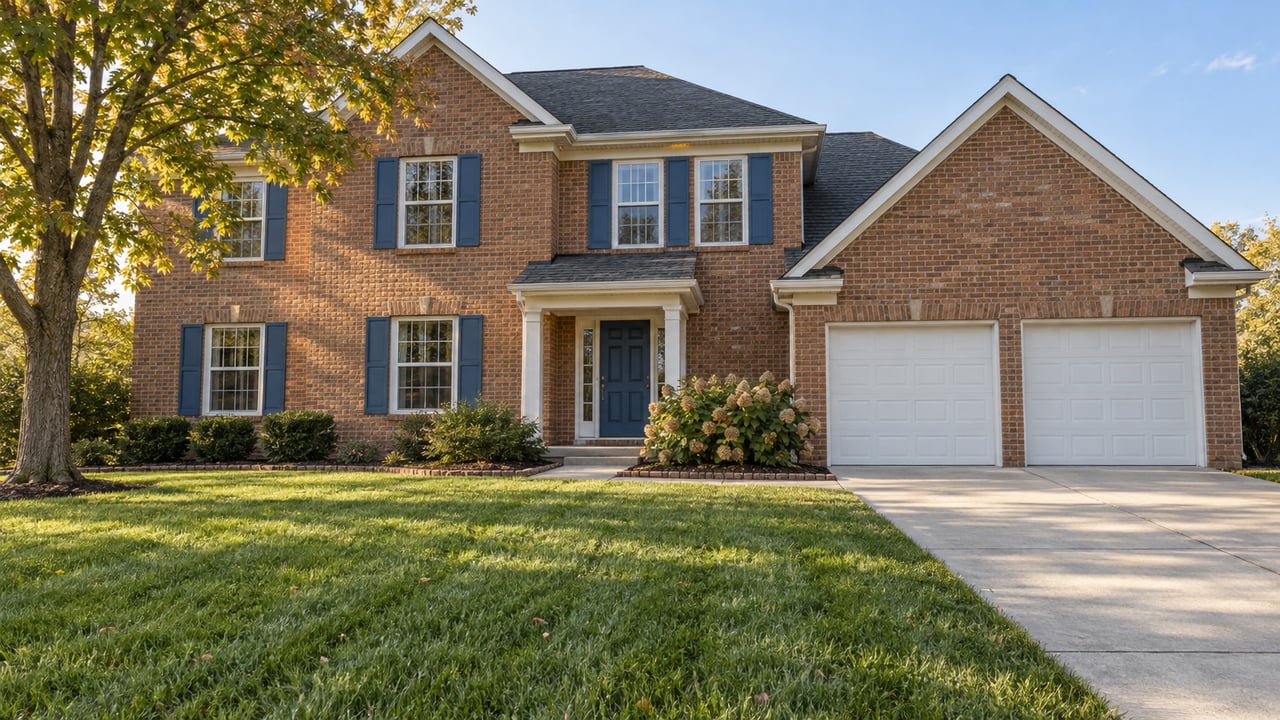
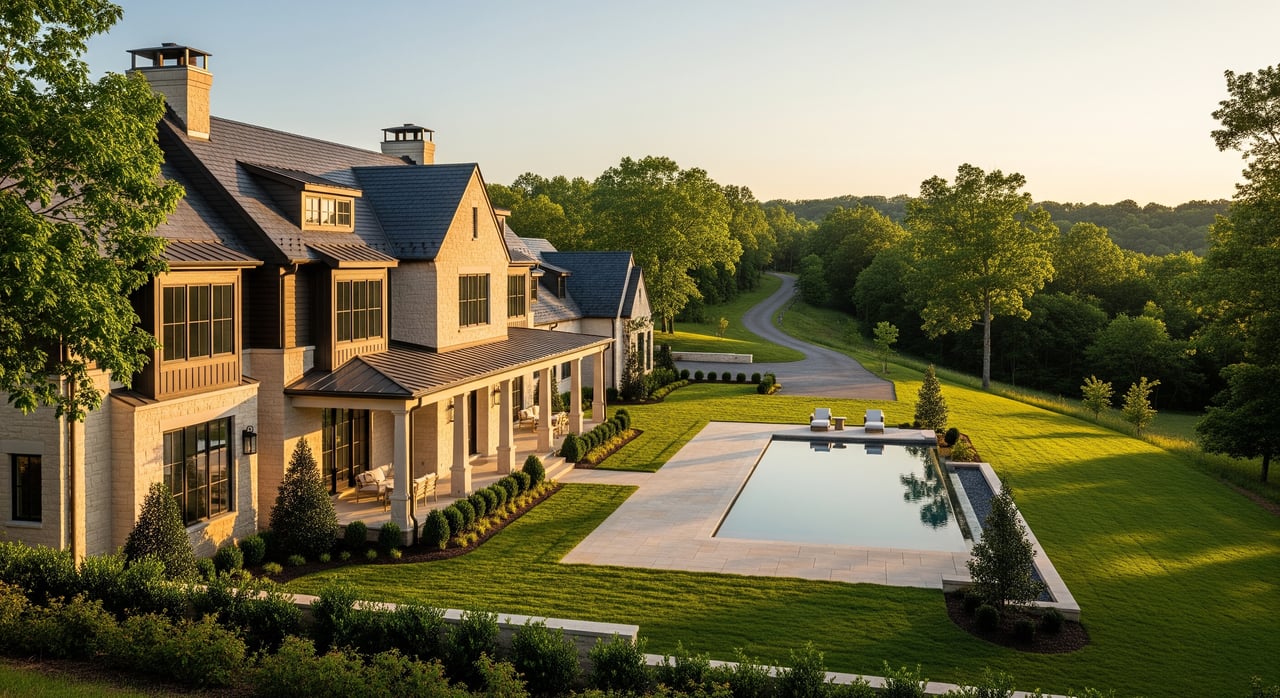
Forest Hills leans toward single‑family homes on larger, wooded parcels. Many properties feel private, with long driveways and significant tree canopy. Expect estate homes, acreage, and ranches that can be expanded or rebuilt.
Renovation or new build
If you want to renovate or explore infill, Green Hills offers more opportunities. Tear‑down and remodel activity is common in areas near shopping corridors. In Forest Hills, new construction and rebuilds happen too, but typically on larger parcels and within municipal rules designed to protect the landscape. Always confirm lot‑level covenants and local approvals before you plan an addition, accessory structure, or rebuild.
Lifestyle and amenities
If walkable retail and easy errands matter, Green Hills is convenient. Dining, services, and shopping are concentrated, which reduces your drive time for everyday needs. That convenience appeals to buyers who value quick access to restaurants and boutiques.
If you want a quieter, nature‑forward setting, Forest Hills fits the brief. Commercial uses are limited, and the atmosphere stays calm and residential. Many buyers here emphasize privacy, acreage, and time outdoors at home.
Both areas benefit from exceptional nearby parkland. Radnor Lake State Natural Area borders the southern edge and is a favorite for hiking and wildlife viewing. Edwin and Percy Warner Parks are a short drive away and add miles of trails and equestrian facilities. If you prize green space and scenic drives, you will have options in either neighborhood.
Commute and transportation
Green Hills is closer to the central corridor with efficient access to I‑65 and I‑440. That placement often means shorter trips to downtown and key employment hubs, depending on the exact address and time of day.
Forest Hills sits farther southwest, which can add minutes to peak‑hour commutes for some routes. The tradeoff is a more secluded setting once you arrive home.
Transit options are limited across both areas, but Green Hills has more pedestrian‑oriented commercial zones. Forest Hills is largely auto‑dependent with fewer sidewalks. For a true sense of drive time, test your route during your normal commute windows.
Utilities and site considerations
Utility setups can vary by property. Many Green Hills homes tie into municipal sewer. In Forest Hills, some larger or more remote parcels use septic systems or other onsite wastewater solutions. Before you go under contract, verify sewer availability or septic capacity, review maintenance history, and confirm any required inspections.
Because parcels in Forest Hills are larger and wooded, you may encounter additional site factors like on‑site stormwater management and tree preservation considerations. In either area, confirm water service, line capacity, and any planned utility work that could affect service.
Flood risk can exist along stream valleys in both neighborhoods. Review FEMA flood maps, local floodplain overlays, and any known property flood history during due diligence.
Zoning, governance, and taxes
Green Hills follows Metro Nashville zoning and subdivision rules. Infill and higher‑density housing are more common in targeted corridors. Some pockets may have overlays or design review. Always check with the Metro Planning Department for the most current rules.
Forest Hills has its own planning commission and ordinances that prioritize low density and preservation of tree cover. Minimum lot sizes, landscape protections, and review processes are typical. Confirm municipal requirements before planning a subdivision, accessory unit, barn, or major site changes.
Both neighborhoods sit within Davidson County for property taxes. Forest Hills’ incorporated status may create municipal service differences or levies. Confirm the current tax rate and check whether the parcel sits in any special district or assessment area.
Market dynamics and resale
Nashville saw strong appreciation early in the 2020s, followed by normalization. Market conditions shift with interest rates, local supply, and buyer demand. Green Hills generally records more sales and a wider price spectrum, which can support resale liquidity across condos, townhomes, renovated homes, and luxury product.
Forest Hills tends to have fewer transactions and longer time between estate sales due to larger lots and a smaller buyer pool. That scarcity supports long‑term value for buyers focused on privacy and acreage, but it can also mean longer market times depending on the property and pricing. For current pricing and absorption, review the latest MLS or Tennessee REALTORS reports before you make a move.
Which buyers fit where
- You prioritize walkable retail and shorter service trips: Green Hills likely fits better.
- You want acreage, privacy, and a rural feel within Davidson County: Forest Hills usually wins.
- You need a broader range of housing types or plan to downsize into a condo or townhome: Green Hills offers more options.
- You prefer a custom estate on a large, wooded parcel with a long driveway: Forest Hills is the natural match.
Scenario: Work downtown with busy evenings
If your calendar includes frequent trips to downtown, Green Hills can trim drive times and keep restaurants and services close. You still have quick access to major parks on weekends.
Scenario: Privacy and grounds for outdoor living
If your priority is seclusion, outdoor entertaining, and possibly equestrian use, Forest Hills provides larger lots and a quiet setting while remaining close to city amenities.
Scenario: Renovate now, add value later
If you want to remodel a mid‑century home or pursue infill, Green Hills provides more opportunities near established shopping nodes. Confirm overlays and approvals before you start design.
Scenario: Lock‑and‑leave living
If you travel often and want a low‑maintenance footprint, Green Hills condos or townhomes deliver convenience and multiple buyer pools for future resale.
Your decision checklist
Use this quick list to pressure‑test your 37215 choice:
- Commute: How long are peak‑hour drives from actual addresses to your workplace or school?
- Lot size and privacy: Do you want acreage or a smaller yard near retail?
- School approach: Will you pursue public or private? Confirm attendance boundaries directly with Metro Nashville Public Schools and review private options according to your needs.
- Walkable retail: Do you want dining and services nearby, or do you prefer residential quiet?
- Maintenance tolerance: Are you ready for large‑lot upkeep, or do you prefer lower maintenance?
- Utilities: Is the property on sewer or septic? If septic, when was it last inspected or serviced?
- Zoning and covenants: Are there municipal rules or HOA covenants that limit additions, accessory structures, barns, or tree clearing?
- Environmental review: Is any portion of the lot in a FEMA flood zone or local floodplain?
- Future changes: Are any infrastructure projects or zoning updates planned that could affect privacy or density nearby?
Smart next steps
- Tour both neighborhoods at different times of day to test traffic and feel.
- Pull fresh MLS data for pricing, days on market, and absorption in your target micro‑areas.
- Confirm school zoning with MNPS and plan private school commute times if applicable.
- Review parcel records, flood maps, sewer or septic status, and any municipal overlays or approvals that could affect your plans.
When you want a discreet, concierge‑level process from first tour to close, our team is ready to guide you. From off‑market access to due‑diligence coordination, CHORD Real Estate brings a neighborhood‑first lens and white‑glove service to every 37215 search.
FAQs
What is the core difference between Green Hills and Forest Hills in 37215?
- Green Hills is an urban neighborhood within Metro Nashville with strong retail and mixed housing. Forest Hills is an incorporated city focused on low‑density, wooded residential living with larger lots.
How do lot sizes compare in Green Hills vs Forest Hills?
- Forest Hills commonly features 1+ acre parcels and estate settings. Green Hills ranges from condos and townhomes to modest and moderate single‑family lots, with some denser areas near shopping.
What should I know about schools when buying in 37215?
- School zones can change, so confirm attendance boundaries directly with Metro Nashville Public Schools. Many buyers also evaluate regional private schools based on commute and program fit.
Are homes on sewer or septic in these neighborhoods?
- Many Green Hills properties connect to municipal sewer. In Forest Hills, some larger or remote parcels use septic or other onsite systems. Verify service type, capacity, and maintenance records during due diligence.
How do commutes to downtown Nashville differ?
- Green Hills typically offers shorter drives to downtown and key interstates. Forest Hills is farther southwest, so drive times can be longer depending on address and time of day. Always test your route at peak hours.
What regulations might affect building or remodeling?
- Green Hills follows Metro Nashville zoning and may include overlays or design review in certain pockets. Forest Hills has its own ordinances that protect rural character, including minimum lot sizes and tree‑protection provisions. Confirm approvals before planning additions or accessory structures.
How do resale and market dynamics differ between the two areas?
- Green Hills tends to have higher transaction volume and multiple buyer pools, which can support liquidity. Forest Hills offers larger, scarce parcels that support long‑term value but may experience longer marketing times due to a smaller buyer pool.